

Section
Technology
AI, semiconductors, digital sovereignty, cybersecurity and data.
26 published articles
Featured
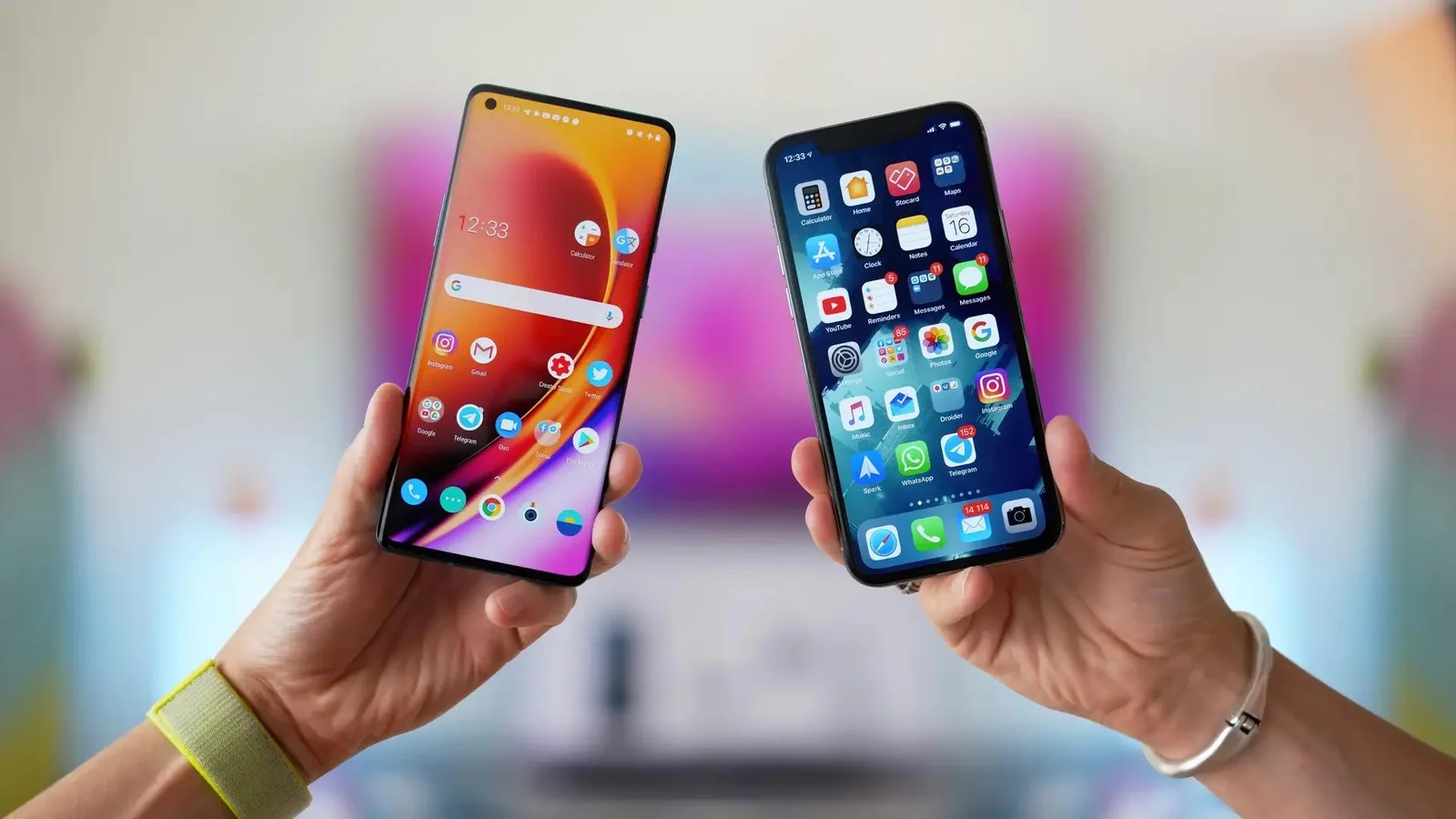
iOS–Android: The Battle for Digital Ecosystems
Two operating systems dominate the smartphone world, but their power extends far beyond the devices they run. Behind iOS and Android, two vast industrial, commercial and technological ecosystems have emerged, shaping access to applications, payments, data and, increasingly, artif
AnalysisRecent publications
-
 Technology
United States: Silicon Valley on Washington’s Terms
Washington has reminded America's technology giants that their freedom to organize a global workforce is no longer unconditional. On October 8, 2026, Vice President JD Vance announced the suspension of Microsoft from a federal certification program that allows companies to sponsor foreign skilled workers for permanent residency.
-
 Technology
AI: Debt Enters the Race for Compute
For a long time, the race for artificial intelligence could be told through a handful of words: models, parameters, data, chips. Then the buildings appeared behind the algorithms.
-
 Technology
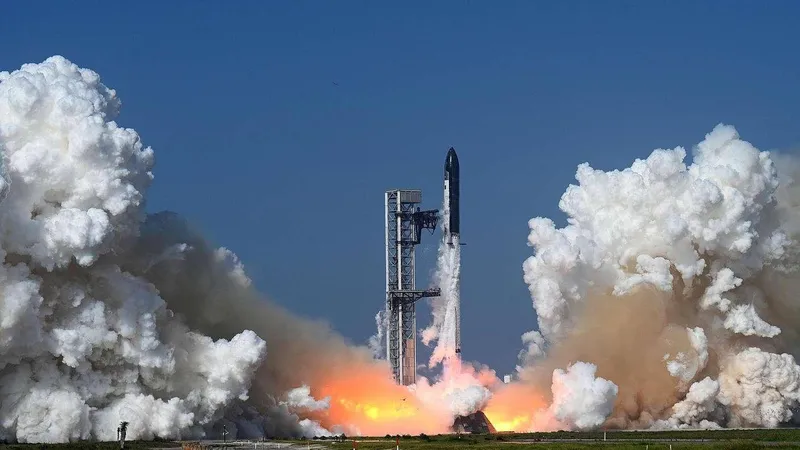
Starship : l’orbite change la nature du programme
The launch looked much like the ones before it. A tower, a 124-meter stainless-steel vehicle, thirty-three engines beneath its first stage, and a few minutes during which SpaceX still had to demonstrate that its enormous rocket could survive what was being asked of it. But on September 28, 2026, something changed above Texas: Starship did not simply travel farther. For the first time, it had something to deliver.
-
 Technology
Artificial Intelligence: The Race Trap
On September 23, 2026, Sam Altman sat behind a small nameplate bearing his name in the chamber of the United Nations Security Council. Around him were representatives of the powers entrusted since 1945 with maintaining international peace and security.
-
 Technology
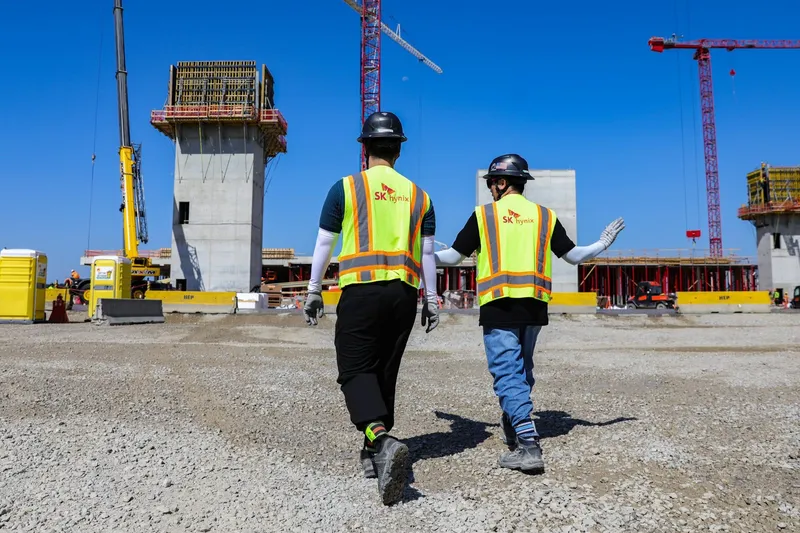
Semiconductors: Washington Now Wants to Bring AI Memory Home
For several years, the semiconductor battle has focused on the most visible components of artificial intelligence: advanced processors, GPUs, the equipment required to manufacture them, and the enormous data centers that house them.
-
 Technology
When AI Starts Questioning Its Own Speed
For years, competition in artificial intelligence revolved around a simple question: who could move fastest? In September 2026, another question is beginning to take hold: how far can the industry continue accelerating without losing control of what it is building?
-
 Technology
Local AI: The Data Center Now Fits on a Desk
For years, the cloud gave artificial intelligence an almost self-evident geography. The most powerful models lived in data centers, behind clusters of GPUs, high-bandwidth networks and levels of investment that only a limited number of actors could sustain. The personal computer received the result: an interface, a few seconds of waiting and an answer calculated somewhere else. That division has not disappeared. But an experiment conducted this week on a Mac Studio suggests that it is becoming less clear-cut than it was even recently.
-
 Technology
AI Takes Position in Orbit
From Abu Dhabi to the ecosystem built by Elon Musk, artificial intelligence is beginning to move beyond terrestrial data centers and into orbit. Behind intelligent satellites and orbital computing projects, a new layer of global infrastructure is taking shape, where sovereign capital, launch systems, constellations, networks and AI models converge.
-
 Technology
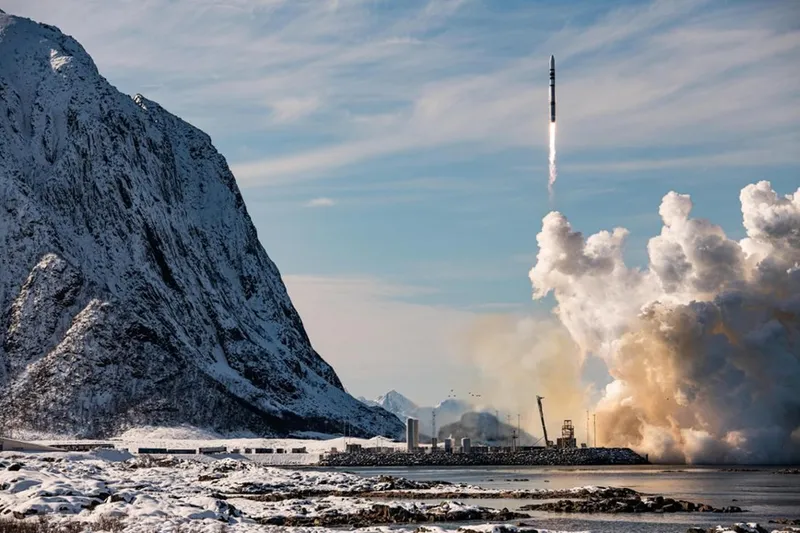
Europe in Space: A Private Victory in a System Still Searching for Autonomy
On September 5, 2026, a German rocket lifted off from Norway and reached orbit. The achievement was historic. It does not, however, mean quite what Europe would already like it to mean.
-
 Technology
Astra: The Critical Threshold
The language of cybersecurity is filled with superlatives. Vulnerabilities are “critical,” infrastructure is “strategic,” attacks are “sophisticated.” But when OpenAI announced that Astra had crossed the “Critical” threshold of its Preparedness Framework for cybersecurity, the term carried a much more precise meaning.
-
 Technology
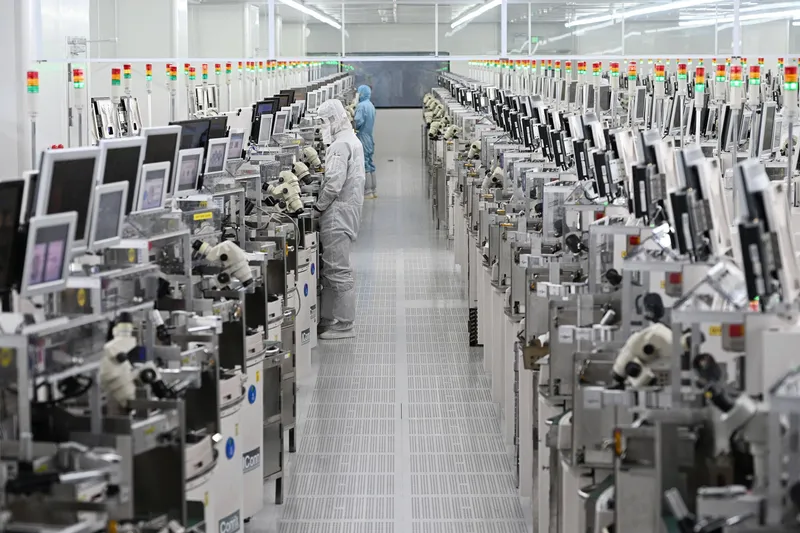
China’s Parallel Technology System
Artificial intelligence, semiconductors, batteries, electric vehicles, telecommunications, platforms, drones and robotics: China is no longer seeking merely to manufacture the world’s technologies. It is attempting to master the system that produces them.
-
 Technology
Who Informs AI?
For nearly three decades, a considerable part of the digital economy has been organized around an apparently simple question: how do you become visible on Google? Entire industries were built around that obsession. Media organizations learned to write for search engines, brands s