

Section
Corporate
Companies, governance, strategy, leadership, transactions and organisational transformation.
Featured
Alphabet: The Empire of Interfaces

Alphabet: The Empire of Interfaces
Google began with an ambition that now appears almost modest in light of what it became: organizing the information available on the Internet. A quarter of a century later, Alphabet no longer merely organizes that information. The group helps design the processors that compute it, owns the infrastructure that carries it, trains the models that interpret it, controls several of the software environments through which it is accessed, and operates some of the largest systems through which it is monetized.
AnalysisRecent publications

Apple: From Steve Jobs’ Empire to Tim Cook’s
On August 31, 2026, Tim Cook posted a few lines to bid farewell to the Apple community one last time as chief executive.

NVIDIA–Hugging Face: When Open AI Meets the GPU Empire
For several years, competition in artificial intelligence has been portrayed primarily as a race between models. OpenAI, Google, Anthropic, Meta, followed by a new generation of American, European and Chinese players, have competed over scale, performance, cost and capability. Ye

SpaceX: The Infrastructure of a Private Space Power
For most of the space age, reaching orbit was the preserve of states. Soviet rockets launched from Baikonur, American missions from Cape Canaveral and Kennedy Space Center, while Europe built its strategic autonomy around Kourou. Access to space required vast public budgets, mili

The Economics of Sport: When Competition Becomes a Global Industry
Part I — From the Playing Field to a Global Industry For much of modern history, sport was primarily regarded as a form of entertainment, a vehicle for social cohesion, and an expression of cultural identity. Today, however, it has evolved into one of the world's most dynamic eco
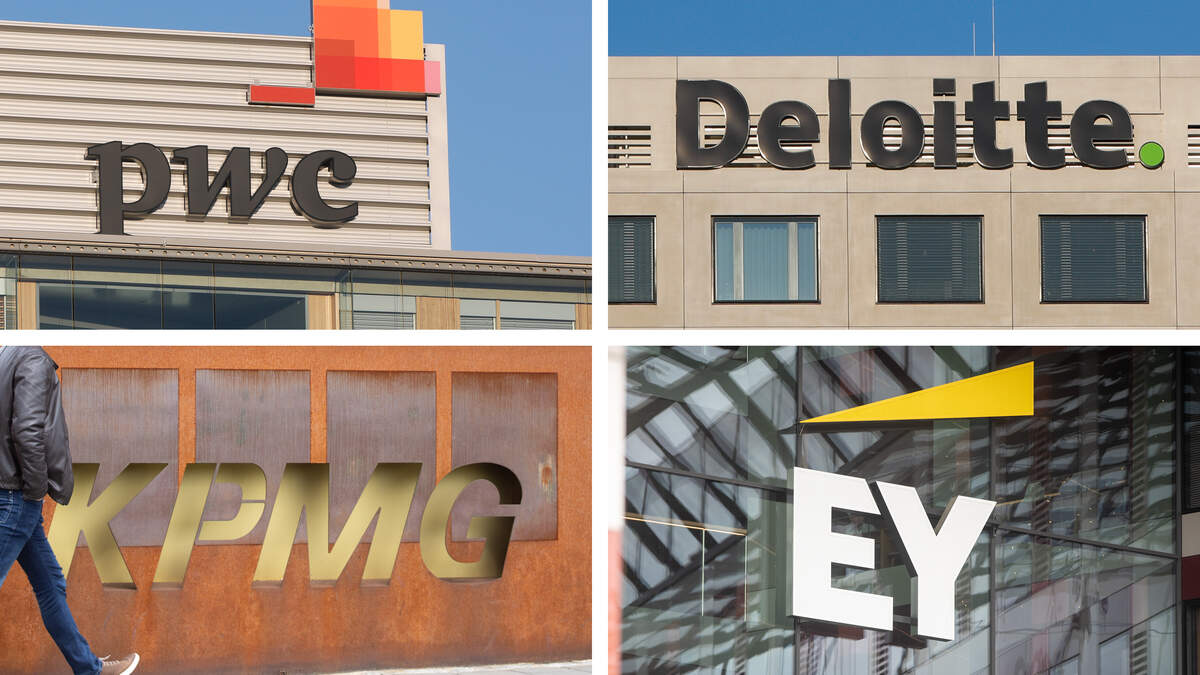
The Big Four: From Enron to the Age of Artificial Intelligence
Trust as a Business Model Whenever a multinational corporation publishes its financial results, completes a major acquisition, goes public, or undertakes a large-scale restructuring, the same group of firms is often working behind the scenes. Deloitte, PwC, EY, and KPMG—collectiv