

Section
Economics
Macroeconomics, inflation, debt, central banks and economic policy.
40 published articles
Featured

Paraguay: The Bank and the State
The collapse of Ueno Bank has forced President Santiago Peña to resign on November 5, 2026. With nearly three million customers unable to access their accounts, approximately $850 million in public funds exposed, and allegations of conflicts of interest reaching the highest level
AnalysisRecent publications
-
 Economics
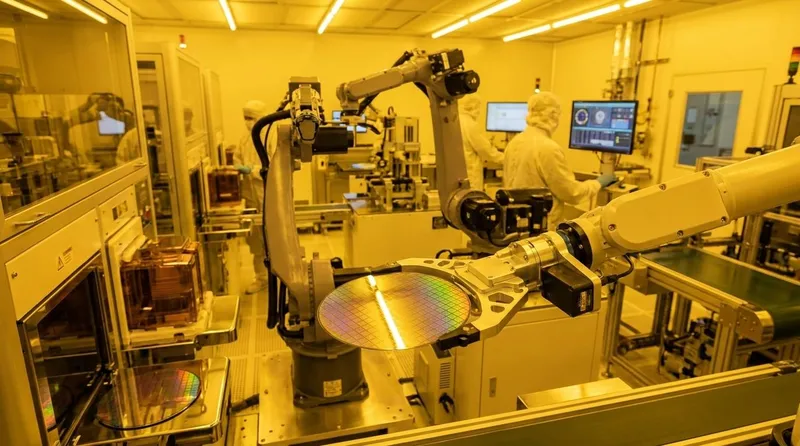
Does the Geoeconomics of Great Powers Still Leave Room for Development?
Global trade continues to expand, but opportunities for industrialization are becoming increasingly concentrated. Between technological rivalries, economic security policies and the fragmentation of investment, emerging economies must find their place in a system where access to markets no longer guarantees access to wealth.
-
 Economics
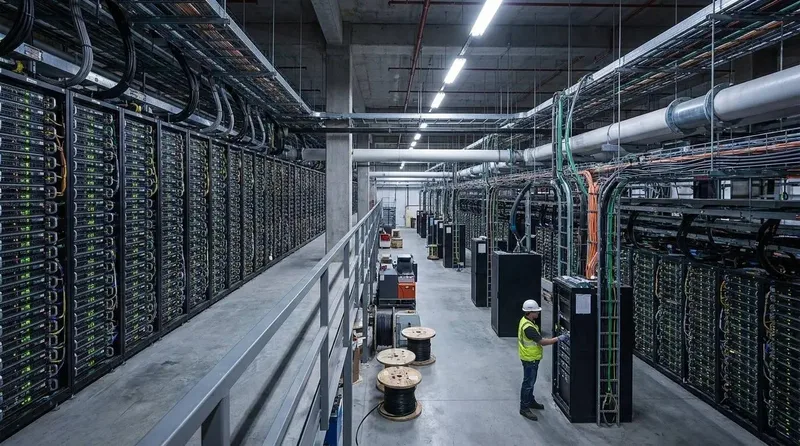
Global Growth Is Narrowing: AI Creates New Winners as Energy Widens the Divide
The global economy is expected to grow by 3.1% in 2026, according to the International Monetary Fund. But behind this apparent resilience lies a deeper transformation: a shrinking number of economies account for most global growth, while technological investment and energy shocks redistribute economic advantages.
-
 Economics
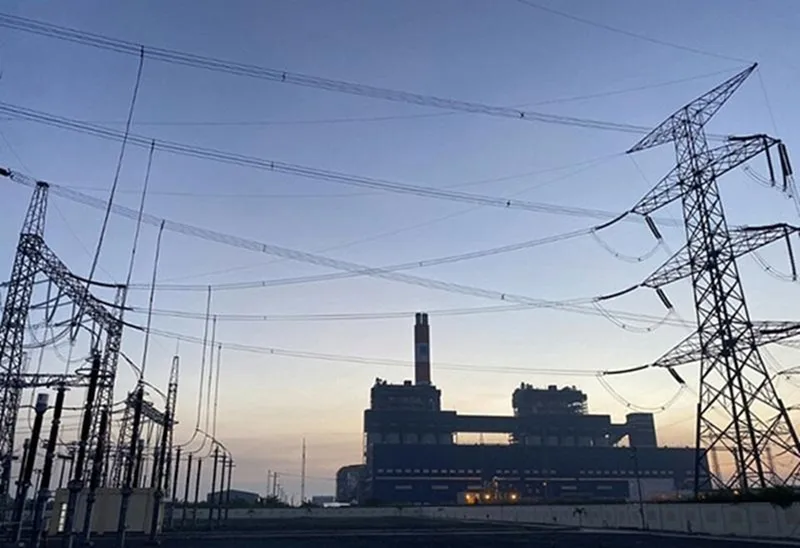
Vietnam: The Cost of Industrializing at 10% Growth
An economy can grow faster than its own infrastructure. Vietnam is beginning to provide an almost full-scale demonstration.
-
 Economics
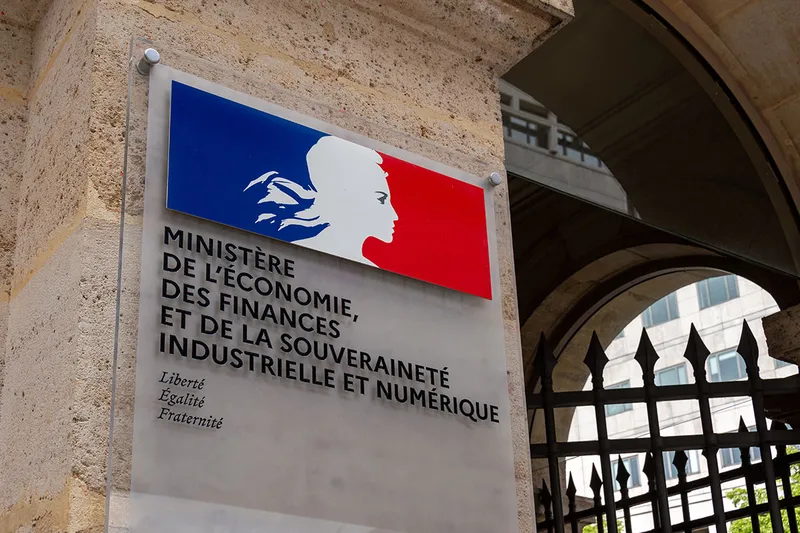
France: When Debt Has a Price Again
For nearly fifteen years, France was able to live with an anomaly that became so familiar it eventually seemed natural: its debt increased, its deficits persisted, governments postponed adjustment, yet markets continued to lend to it almost as if nothing had changed.
-
 Economics
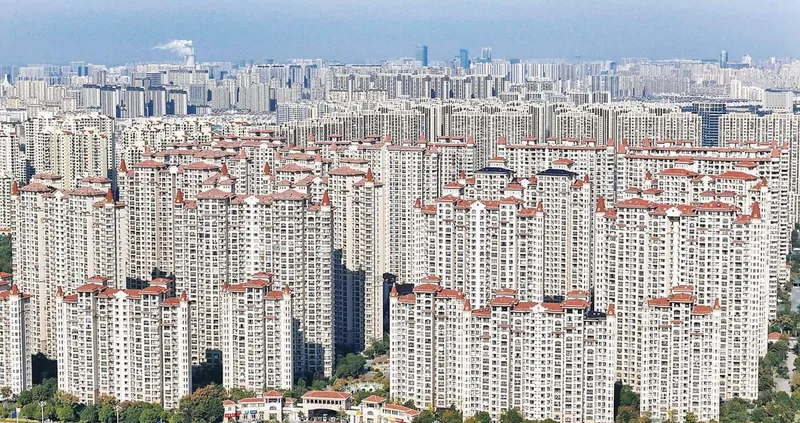
China: Beijing Changes the Instruments of Stimulus
For years, China’s response to the property slowdown followed a relatively predictable playbook: cut interest rates, ease purchasing restrictions, improve access to credit, support developers and mobilize state-backed banks.
-
 Economics
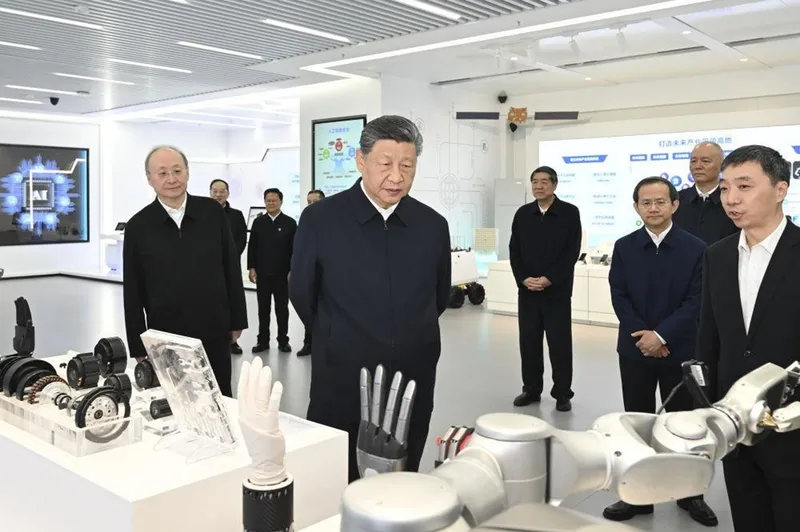
China: After the Market, the Algorithm
For four decades, one of China’s great strengths was its willingness not to control everything.
-
 Economics
Debt: The New Boundaries of Sustainability
Inside the finance ministry of a low-income country, debt sustainability has long ceased to be a matter of simply adding up what is owed abroad.
-
 Economics
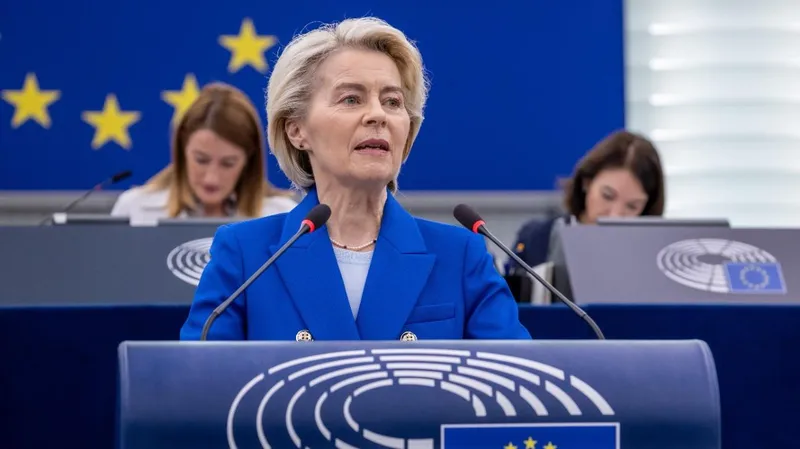
Europe: Who Really Pays Brussels?
At the European Parliament, Sarah Knafo gave the European taxpayer a name. His name is Nicolas. His work, she told Ursula von der Leyen, is worth €4,000; he receives €2,000. Then come the fuel tank, heating, electricity and, eventually, European debt. At every stage of the story, Brussels supposedly takes another share of his income.
-
 Economics
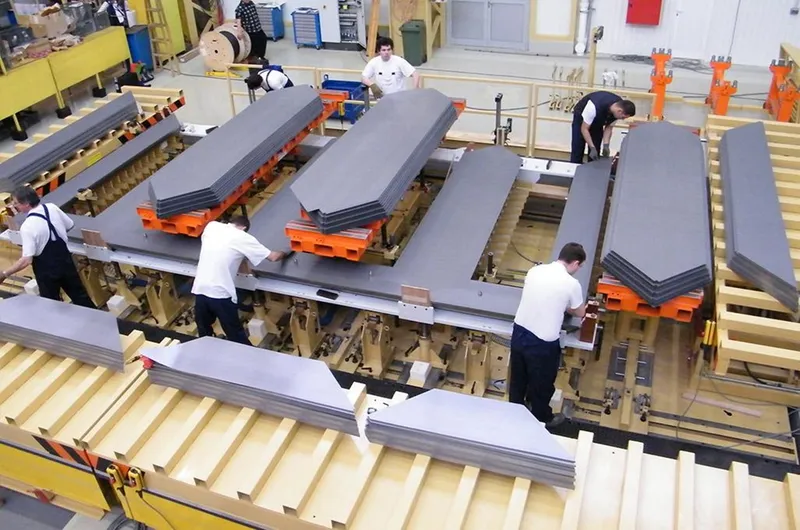
Europe Is Now Protecting the Heart of Its Transformers
The European Union is no longer protecting only its steel industry. It is beginning to protect the components without which its electrification strategy cannot function.
-
 Economics
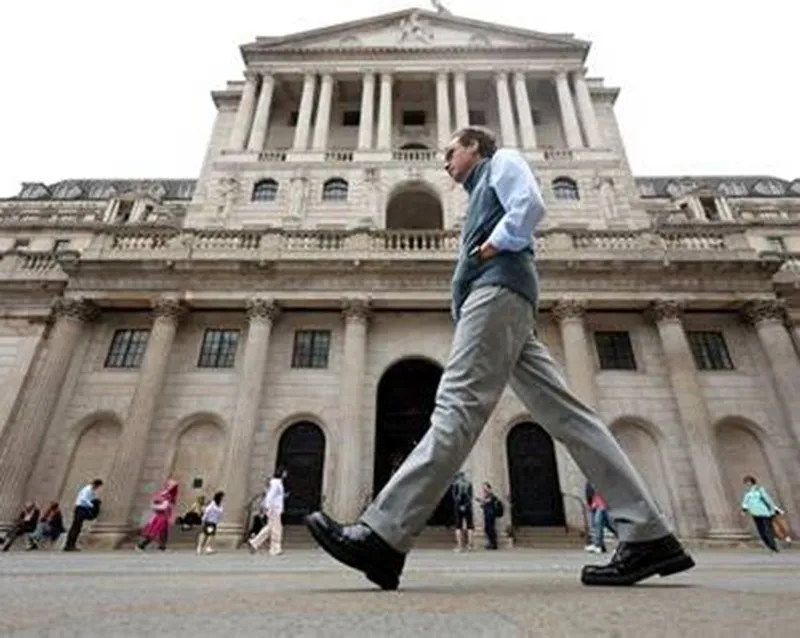
The Bank of England Rewrites the Exit from Quantitative Easing
For nearly four years, the Bank of England had treated the reduction of its balance sheet as a relatively straightforward process: allow some bonds to mature, sell others, and decide each year how quickly to continue.
-
 Economics
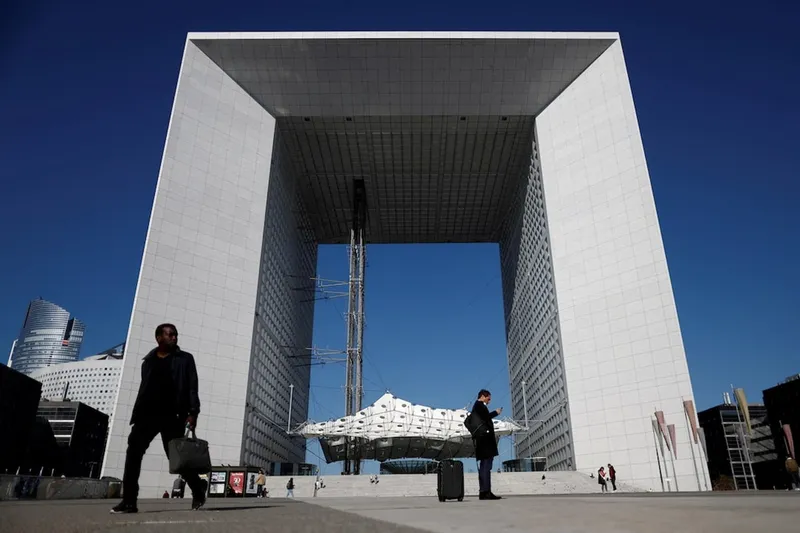
France: When the Exception Becomes the Norm
For several years, the French economy has moved from one crisis to another while giving the impression that it was better at resisting shocks than generating growth.
-
 Economics
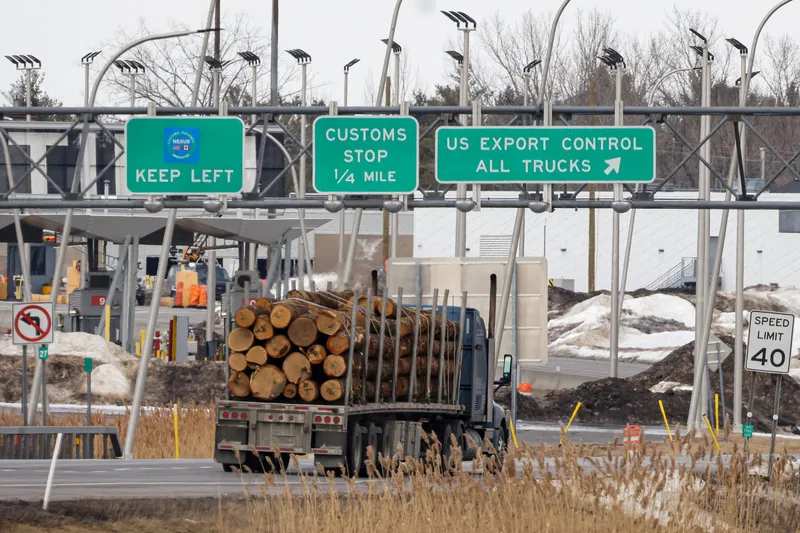
USA–Canada: The Commercial Border Is Closing
For decades, the border between the United States and Canada was less an economic divide than a seam.