

Section
Latin America
Economics, resources, regional integration, political transformation and power relations across Latin America and the Caribbean.
Latin America and the Caribbean form a region characterised by considerable economic, political and institutional diversity. It holds major agricultural, mineral and energy resources while facing structural challenges involving productivity, inequality, political stability and regional integration. This section examines national trajectories, economic policies, diplomatic realignments and the region’s position within global trade.
Featured
Brazil: the Power That Refuses to Choose Sides
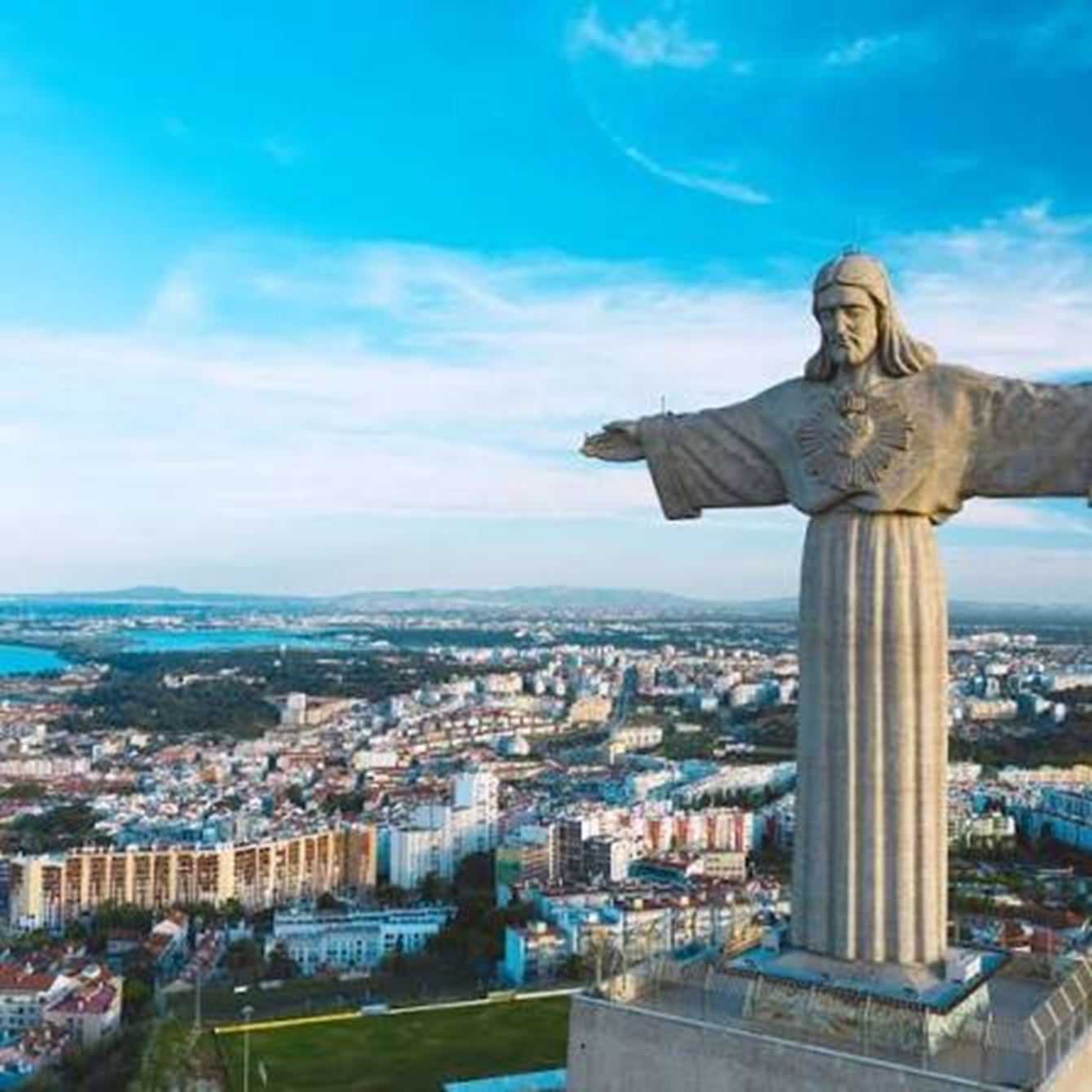
Brazil: the Power That Refuses to Choose Sides
With more than 210 million people, a near-continental territory, vast natural resources and an economy worth more than $2 trillion, Brazil possesses many of the material attributes of power. But its importance may lie even more in what it refuses to become: a simple satellite of
AnalysisRecent publications
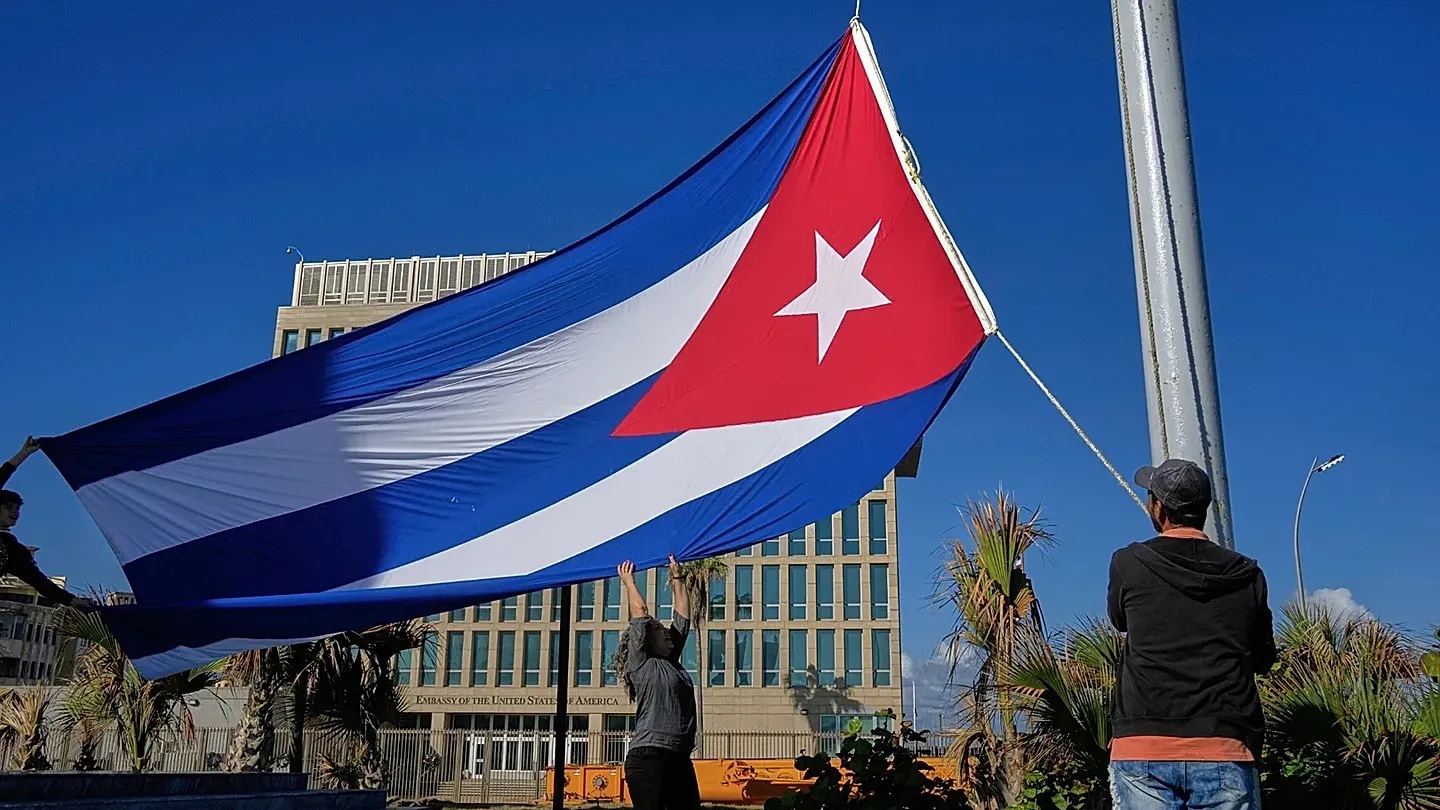
Cuba: From Revolution to the Search for a New Model
Between Revolutionary Legacy, Economic Constraints and Geopolitical Realignment On January 1, 1959, the revolutionary forces entered Havana, marking one of the defining political events of the twentieth century. The Cuban Revolution reshaped not only the future of a Caribbean isl

Javier Milei and Argentina: A Political and Economic Laboratory of the 21st Century
Since his election in November 2023, Javier Milei has become one of the world's most closely watched political leaders. An economist by training, media personality, and outspoken advocate of a minimal state and free-market principles, Milei campaigned as the complete opposite of