

Section
Reports and Studies
In-depth reports, research notes, comparative studies and strategic assessments.
Featured
The Geography of Ideologies: From Human Societies to Artificial Intelligence
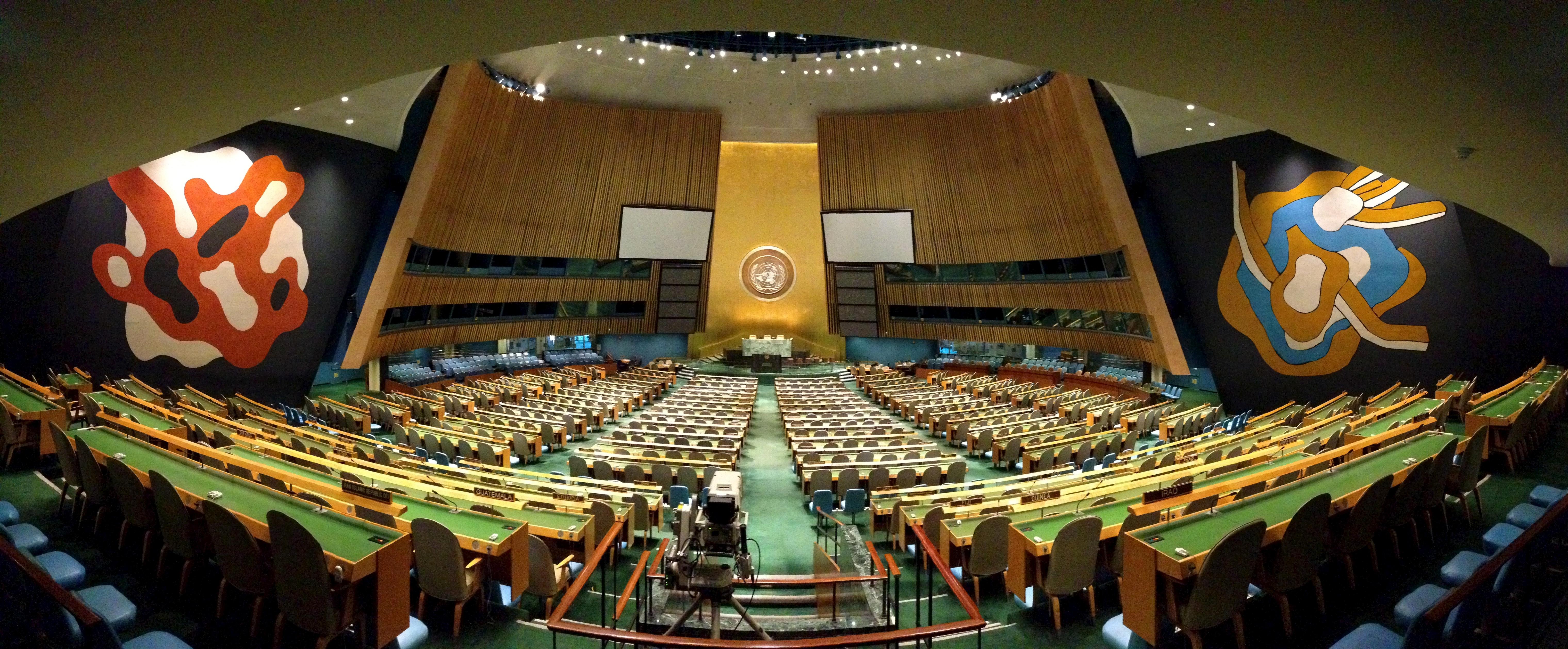
The Geography of Ideologies: From Human Societies to Artificial Intelligence
Liberalism, conservatism, socialism, nationalism, religion, markets, equality, authority and sovereignty are not combined in the same way across human societies. Left and right continue to structure a large part of political competition, but they are not sufficient to map the world. Ideologies are shaped by history, institutions, religions, economic structures, social classes, generations and territories. As artificial intelligence systems become universal intermediaries between individuals and knowledge, this diversity raises a new question: how can machines be designed to be politically neutral in a world that has no universal political center of its own?
AnalysisRecent publications

The International Monetary System: The Financial Architecture of the World
Behind every international payment, every sovereign debt issue, every foreign-exchange reserve and every financial crisis lies a global architecture that no single authority fully controls.
The Faces of Authoritarianism: When Ideologies Converge Toward the Concentration of Power
Authoritarianism has many faces. It can invoke revolution or tradition, the nation or social class, religion or the military, order or the radical transformation of society. It can emerge from a coup, a civil war, or a revolution, but it can also advance within democratic institu

Governing Through Guilt: When Collective Failures Become Individual Moral Obligations
When Collective Failures Become Individual Moral Obligations Democracies do not function through legal coercion alone. They also rest on shared norms, civic duties and a particular understanding of the common good. Paying taxes, respecting collective rules, contributing to nation

The Psychology of Organizations: The Invisible Forces That Shape Organizations
INTRODUCTION Organizations are often described through their formal structures: organizational charts, reporting lines, departments, procedures, budgets, and strategic plans. These elements are necessary, but they do not fully explain how institutions function. Behind every forma

Education and Training in the Face of the Transformation of Work
Preparing People for a World Where Change Is the Only Constant.

Competition: A Driver of Progress and a Source of Strategic Tension
Competition is one of the defining forces shaping modern societies. It influences individuals seeking employment, companies competing for market share, and states pursuing economic and geopolitical influence. Often associated with innovation and efficiency, competition is also a

Freedom of Expression Around the World: Cultures, Practices, and Repression
Freedom of expression is often presented as a universal value. In practice, however, its interpretation, scope, and limitations vary considerably across regions of the world. Behind a principle recognized by international law lie very different conceptions of the relationship bet