

Section
Society
Social change, demographics, education, labour, migration and cohesion.
24 published articles
Overview
The Society section follows demographic and social change, education, labour, migration, inequality and social cohesion. It examines how these dynamics transform institutions, territories and living conditions.
Featured
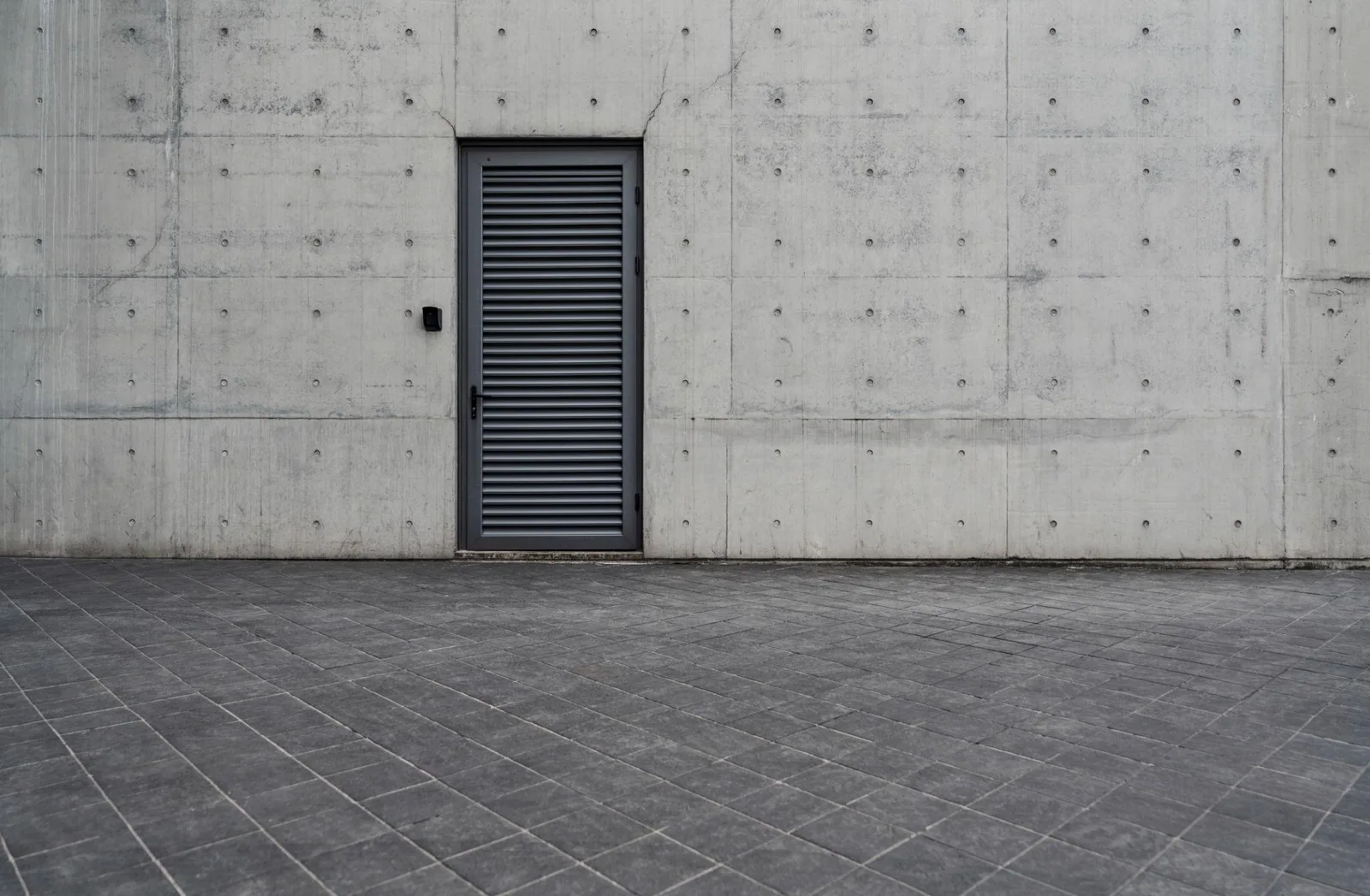
The Future Under Lock and Key
Progress once promised to open the world. It is now multiplying its locks. From digital infrastructure to strategic resources, the future is increasingly shaped by a decisive form of power: the ability to grant, restrict, or deny access. For a long time, the future was imagined a
AnalysisRecent publications
-
 Society
Western Sahara: The Battle of Narrative
The expiration of MINURSO's mandate has opened a new diplomatic chapter in the Western Sahara dispute. But the confrontation is not unfolding solely within the Security Council or on the ground. It is also playing out across the media, where competing actors seek to establish the
-
 Society
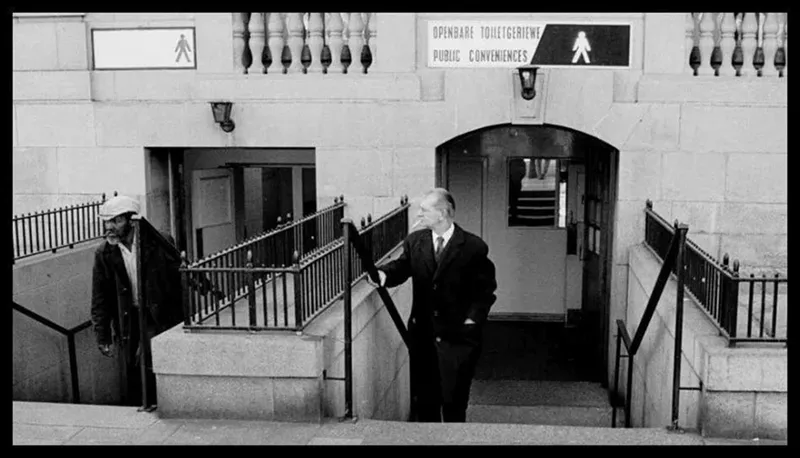
Racism: The Invisible Boundaries
Racism is one of those phenomena humanity has learned to condemn without managing to eliminate. It has lost much of its legal and scientific legitimacy, yet it continues to permeate societies, institutions, and human relationships. Its expressions are neither uniform nor exclusiv
-
 Society
China: Artificial Intelligence by the Token
As China prepares for its November 11 shopping festival, artificial intelligence is entering the machinery of mass consumption.
-
 Society
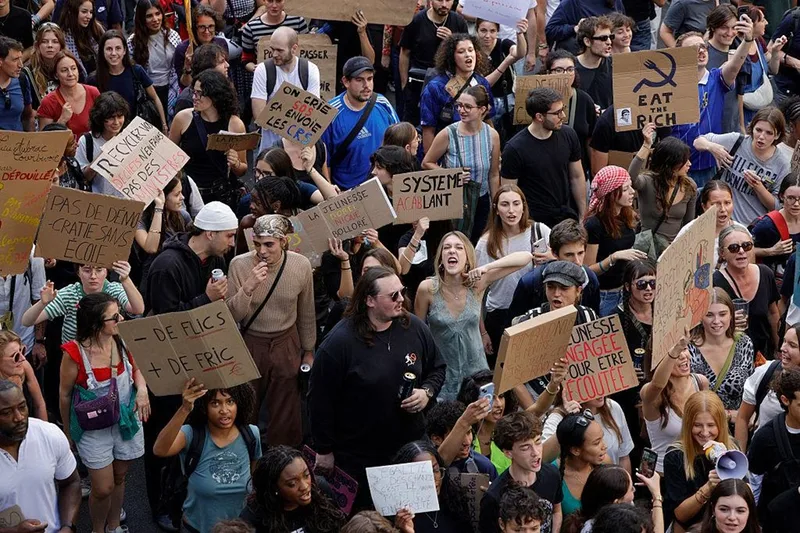
France: The Protest Movement Faces the Test of Time
After three consecutive Saturdays of demonstrations, participation is declining, but social tensions persist. Between purchasing power, youth demands, public order and fiscal constraints, France is entering a new phase of social confrontation whose outcome remains uncertain. Thre
-
 Society
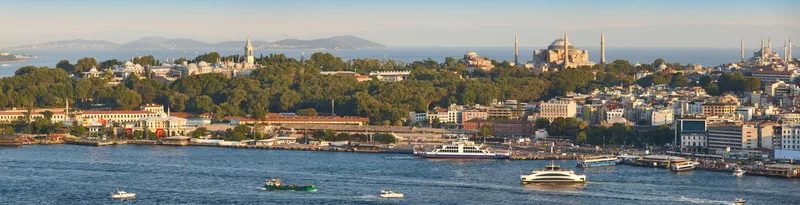
Civilizational Power: What Makes Societies Endure and Shape the World
In Seoul, a television series can inspire people thousands of miles away to learn Korean. In Fez, a medina preserves, through its streets, crafts and institutions of learning, a history that changes of regime have not erased. At an American university, students from several continents learn a way of producing knowledge as much as they earn a degree. In Mecca, the pilgrimage places individual journeys within a shared spiritual geography.
-
 Society
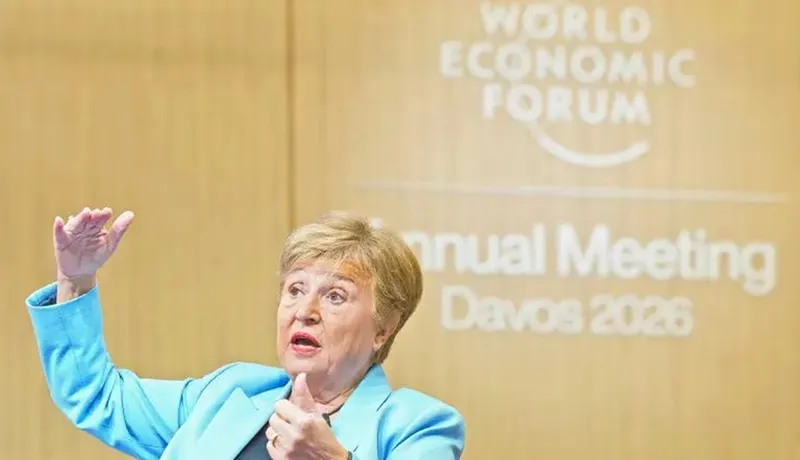
AI: Growth Without Entry-Level Jobs?
Artificial intelligence is already helping sustain the global economy through the scale of investment it generates. Yet behind the promises of productivity and economic growth, a less visible transformation is emerging: the gradual automation of the tasks through which young graduates have traditionally entered professional life.
-
 Society
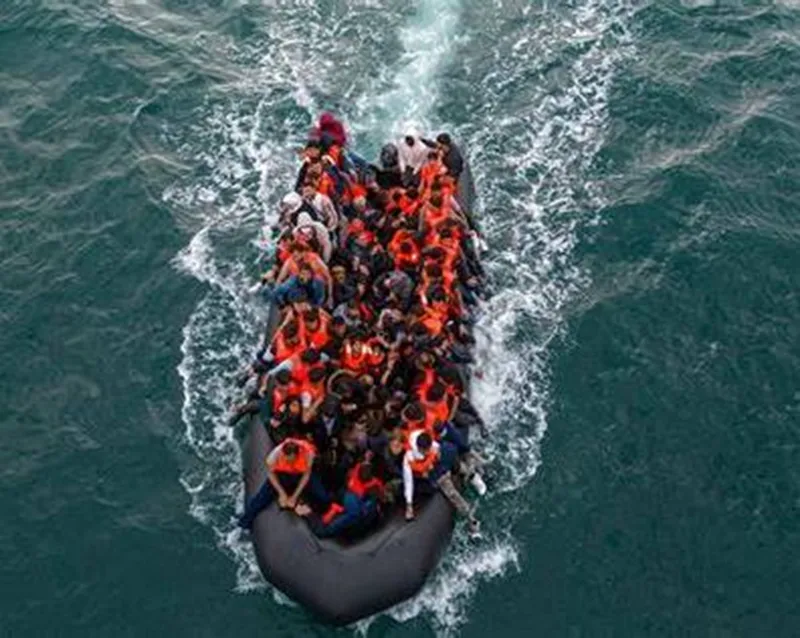
Immigration: When the Border Becomes an Ideology
Sometimes a single word is enough to reveal that a debate has changed in nature. On October 6, Elon Musk was not talking about migration quotas, visas, asylum law, external borders or labour shortages. Responding on X to a post by Tommy Robinson concerning France, he used a different vocabulary: that of an “invasion”. Those who supported it were then described in his message as “traitors”.
-
 Society
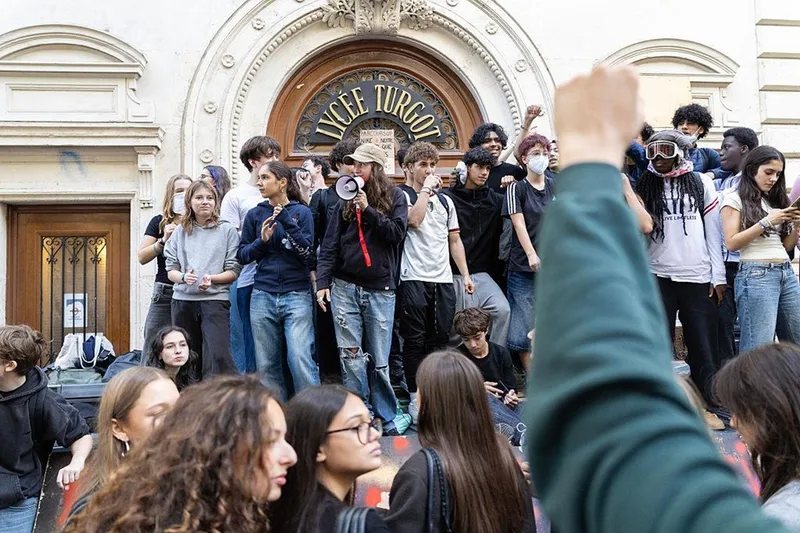
France: A Generation Takes to the Streets
Outside the gates of French high schools, the protest began with ordinary things. A missing teacher. An overcrowded classroom. A school nurse who is difficult to find. An ageing building. Lost teaching hours. Then came concerns about Parcoursup, access to higher education and, behind them, a much larger question: what place is actually waiting for this generation in the France to come?
-
 Society
Adulthood Is Fading
There was a time when being thirty already told a story.
-
 Society
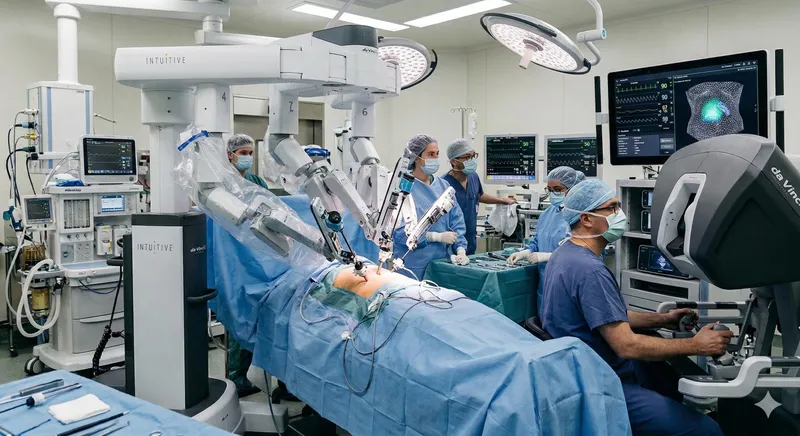
Health: The Body Becomes Technological
For thousands of years, medicine worked with what the body was willing to reveal.
-
 Society
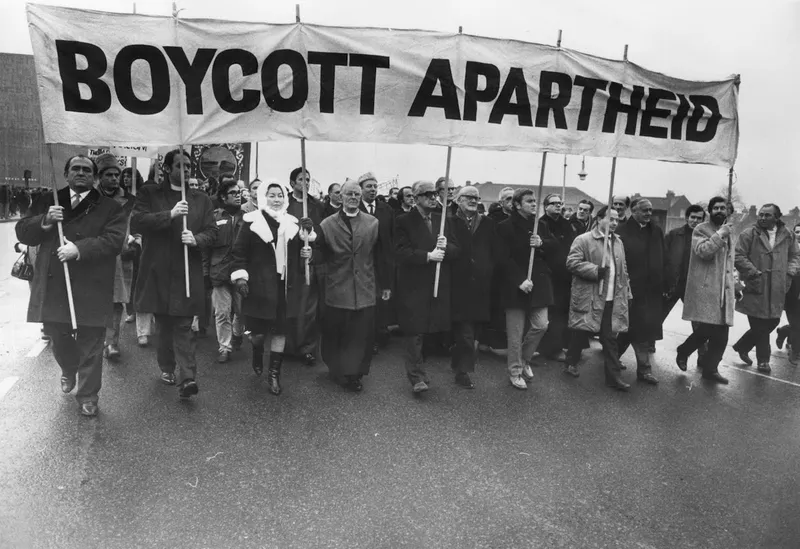
Boycott: The Economics of Refusal
Sometimes, all it takes is buying nothing.
-
 Society
The Family Under Pressure
Couples, parenthood, friendship, solitude and transmission: contemporary societies are not merely changing the way people live. They are progressively redistributing functions that the family performed for centuries. Behind individual emancipation therefore lies a major collectiv