

Section
Global
Global dynamics, power relations, economic transformation and transnational issues.
The Global section examines developments that extend beyond individual regions and transform the international system as a whole. It covers power relations, economic change, international institutions, trade flows, technological transformation, environmental challenges and transnational crises. Its purpose is to place in perspective the interdependencies connecting states, markets and societies.
Featured
Power: What Still Makes a Great Country?
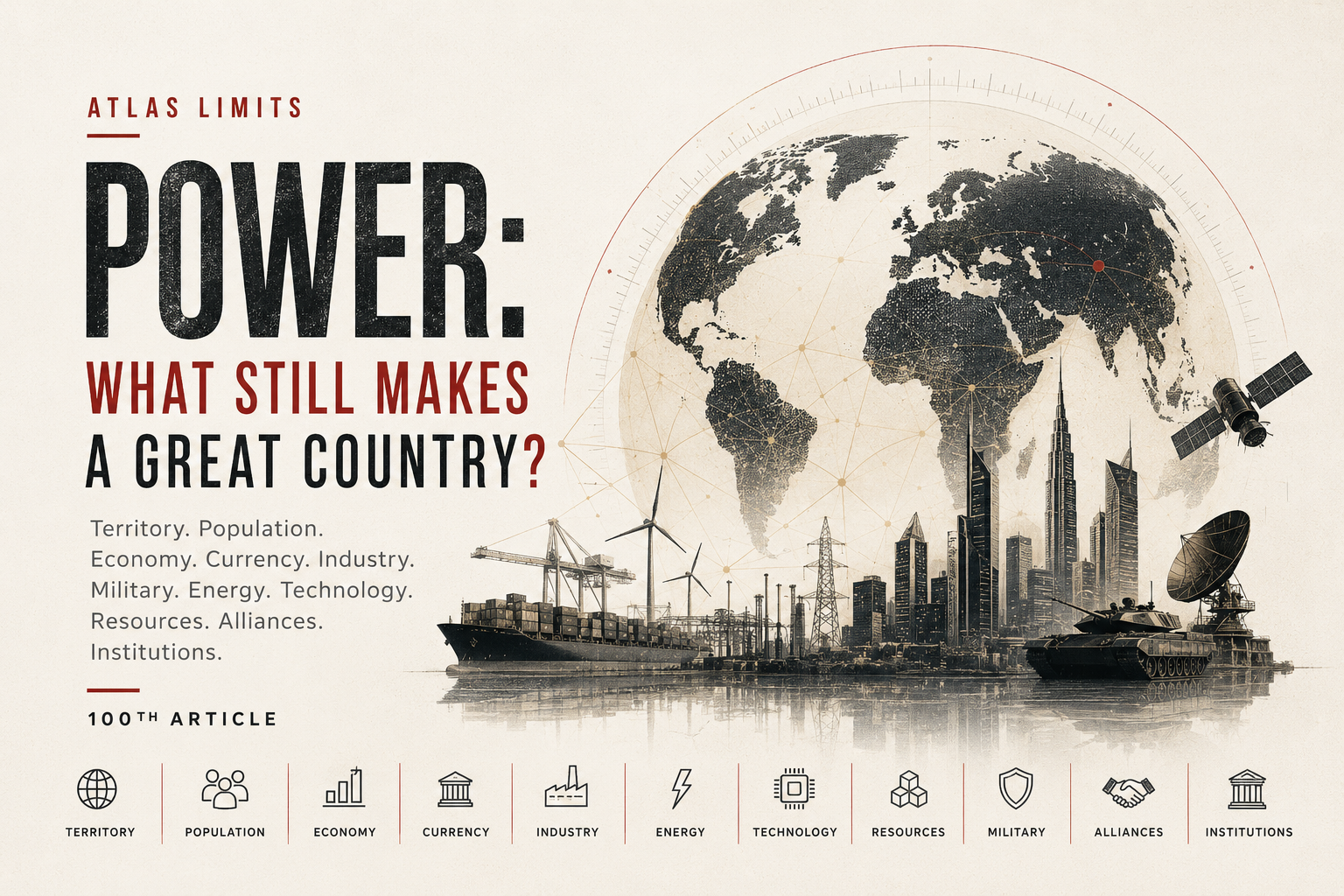
Power: What Still Makes a Great Country?
For centuries, the answer seemed almost self-evident. A great country was a large country, a populous country, one capable of raising armies, controlling trade routes and imposing its will beyond its borders. Power was measured in territory, soldiers and ships, then in tons of co
AnalysisRecent publications
2050: The World Ahead
By 2050, demography, climate, technology and power will have redrawn the global landscape. This is not a prediction of a fixed future, but an examination of the forces already shaping the world ahead.
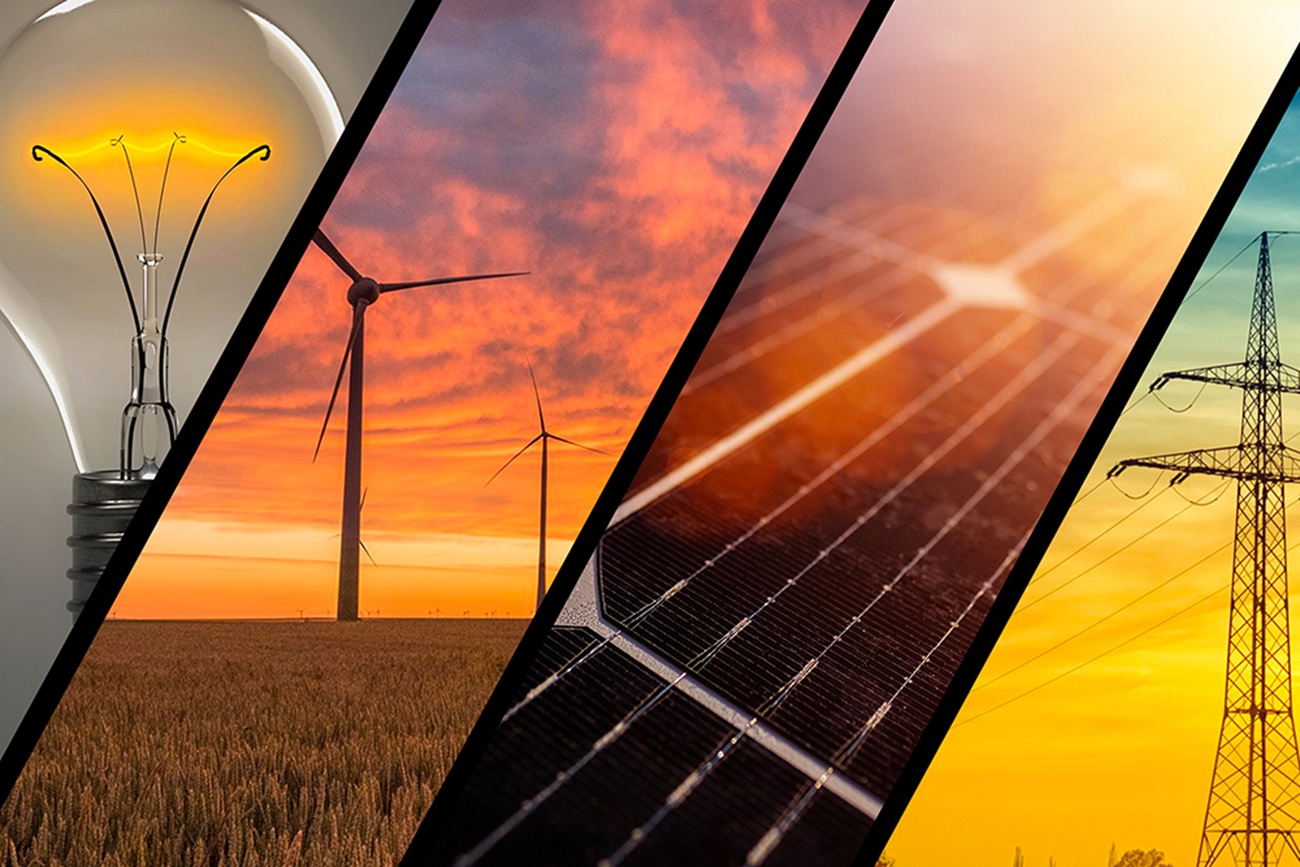
Energy: What Still Keeps the World Running
Oil, gas, coal, nuclear power, renewables: behind the narrative of the energy transition lies a more complex reality. The world is rapidly transforming the way it produces energy, but it has not yet replaced the system that keeps it running. And as electricity moves to the center
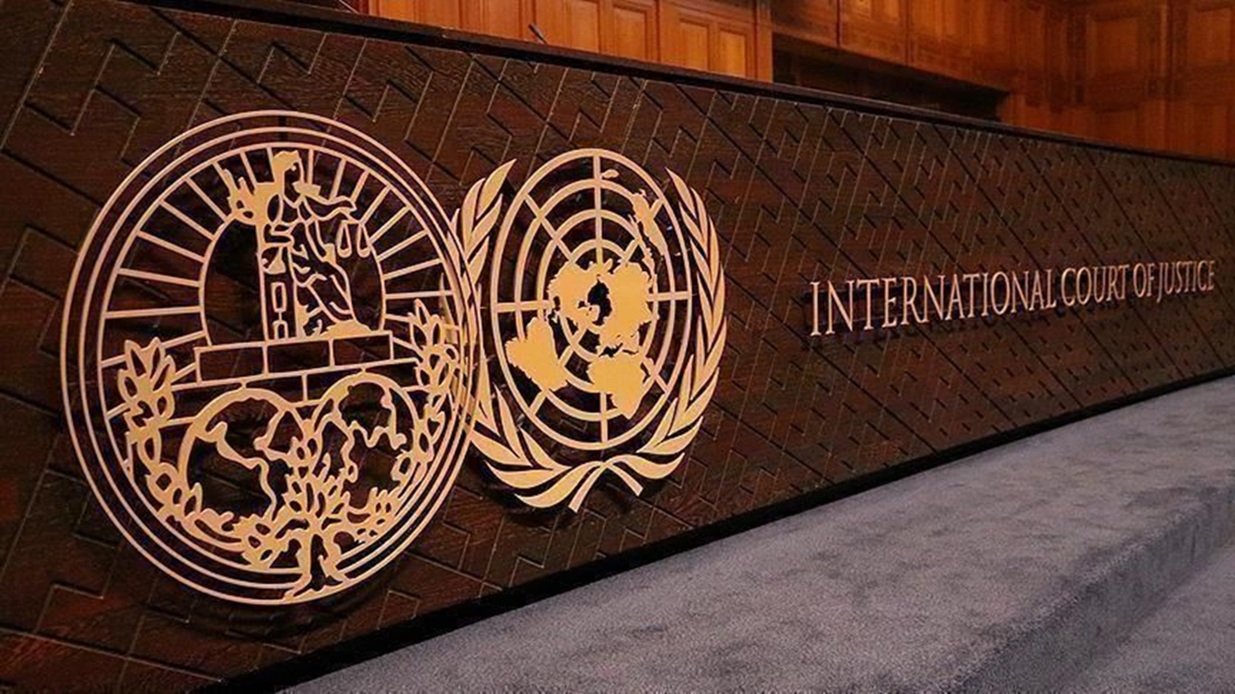
The International Justice System: Who Judges the World?
There are judges capable of ruling against states, prosecutors who can seek the arrest of heads of government, tribunals that can settle maritime boundaries or order reparations after a conflict. There are even legal rules defining the gravest crimes humanity can commit. Yet ther
Global Trends: One Planet, Diverging Trajectories
Demographics, urbanization, energy, trade, technology, resources, climate, migration and rearmament are transforming the global system simultaneously. These forces are global. Their effects are not. Behind the world's headline indicators lies an increasingly differentiated landscape, in which every region enters the next decade with profoundly different constraints, resources and trajectories.
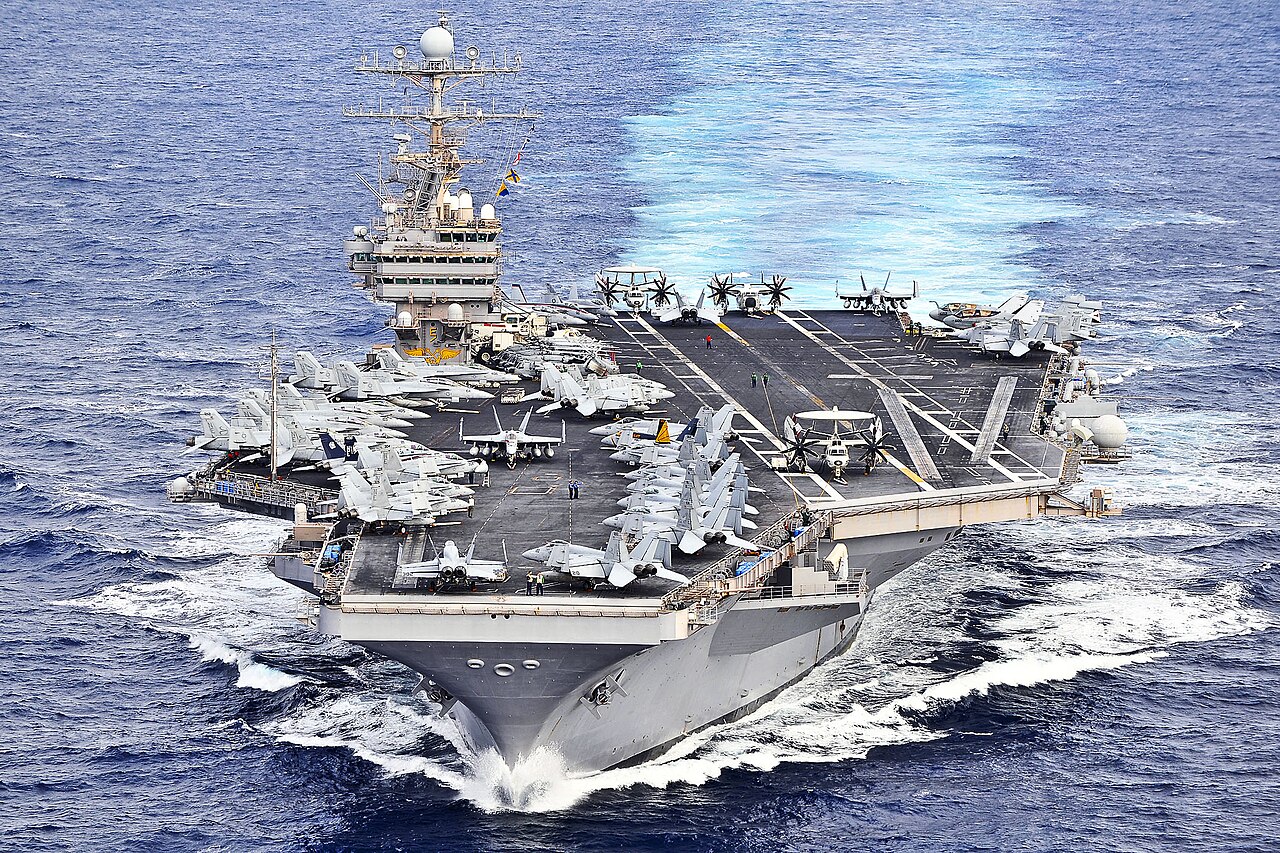
Who Controls the Seas?
Maritime power is not measured solely by the number of aircraft carriers a country possesses. It also resides in merchant fleets, straits, ports, flags, insurers, submarine cables and the rules that allow global trade to move. No one controls the oceans outright — yet their functioning depends on a surprisingly small number of actors and chokepoints.
The World Economic Forum: A Laboratory of Ideas or a Symbol of Contested Global Governance?
Every year, the annual meeting in Davos brings together heads of state, business leaders, international organizations, academics, and representatives of civil society. For a few days, the World Economic Forum (WEF) becomes one of the world's leading platforms for discussing globa