

Region
Africa
African economies, strategic resources, political trajectories, trade, security and regional integration.
24 published articles
Overview
Africa is playing an increasingly important role in global economic, demographic and geopolitical balances. This section examines the continent’s transformations through its different regions, development models, resources, trade dynamics, institutions, security challenges and relations with major powers. Particular attention is given to national trajectories, regional interdependencies and the structural changes likely to shape the continent’s future.
Featured
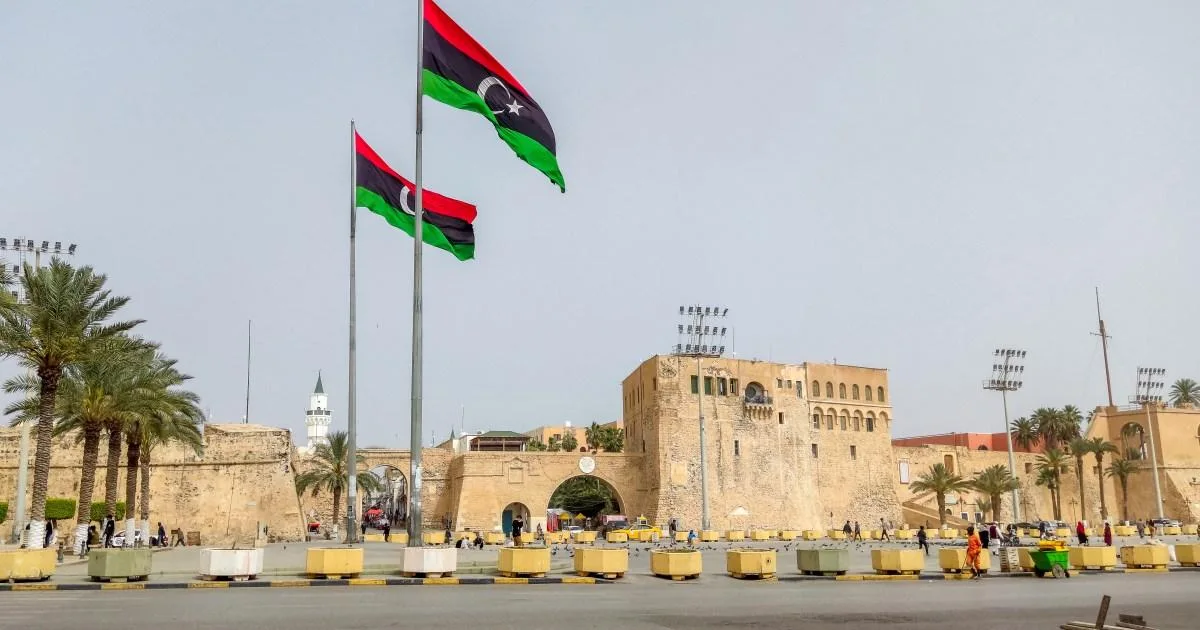
Libya: The Economics of Division
Fifteen years after the fall of Muammar Gaddafi, Libya remains trapped in a political transition with no clear end. Behind the rivalry between Tripoli and the country's eastern authorities, institutional fragmentation has produced a political economy in which hydrocarbons, armed
AnalysisRecent publications
-
 Africa
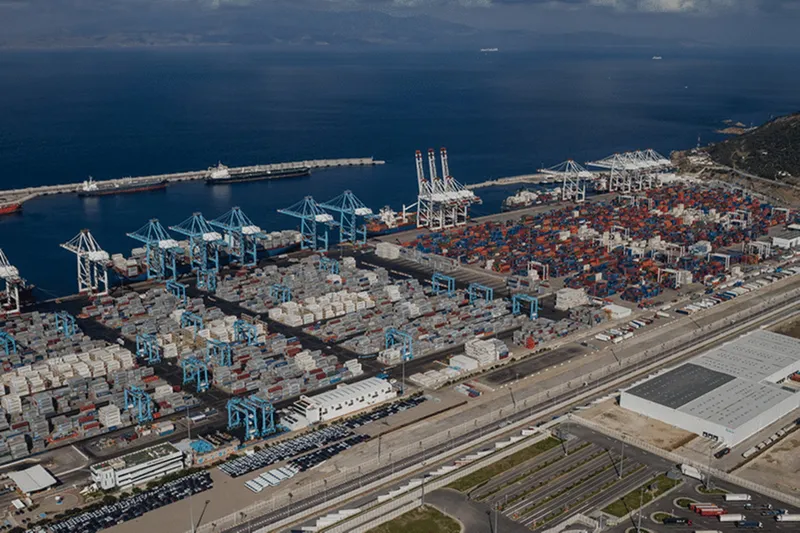
Morocco: Between Stability and Transformation
Some countries’ contemporary histories are best understood through their ruptures. Morocco is better understood through its continuities. The monarchy, the state, the country’s territorial architecture and a particular conception of sovereignty have endured across decades without
-
 Africa
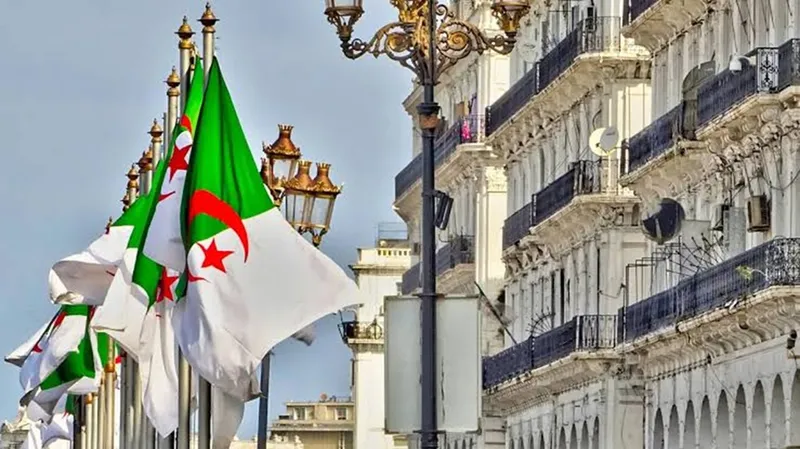
Algeria: The Unfinished Equation
A glance at the map is enough to understand part of Algeria’s ambition. The country stretches across nearly 2.4 million square kilometres, making it the largest state in Africa. It commands a long Mediterranean coastline, reaches deep into the Sahara, shares borders with seven co
-
 Africa
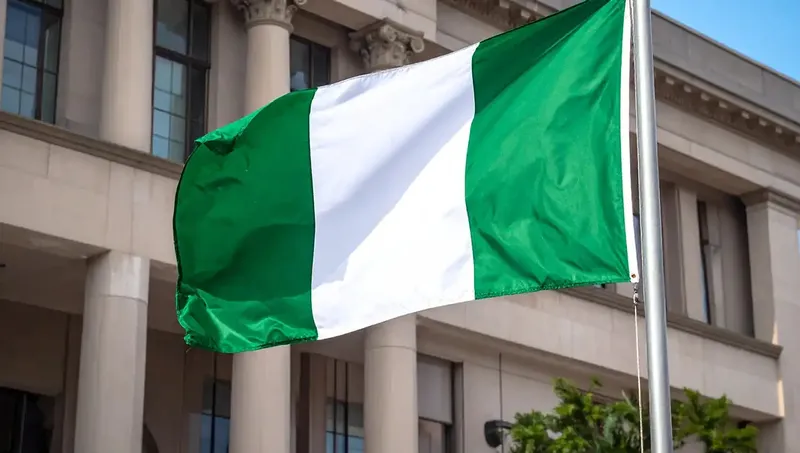
Nigeria: Demographics, Oil and the Ambitions of Power
With more than 230 million people, vast hydrocarbon reserves, one of the continent’s largest metropolitan areas and a cultural influence that extends far beyond its borders, Nigeria possesses almost all the attributes of a major African power. Yet since independence in 1960, the
-
 Africa
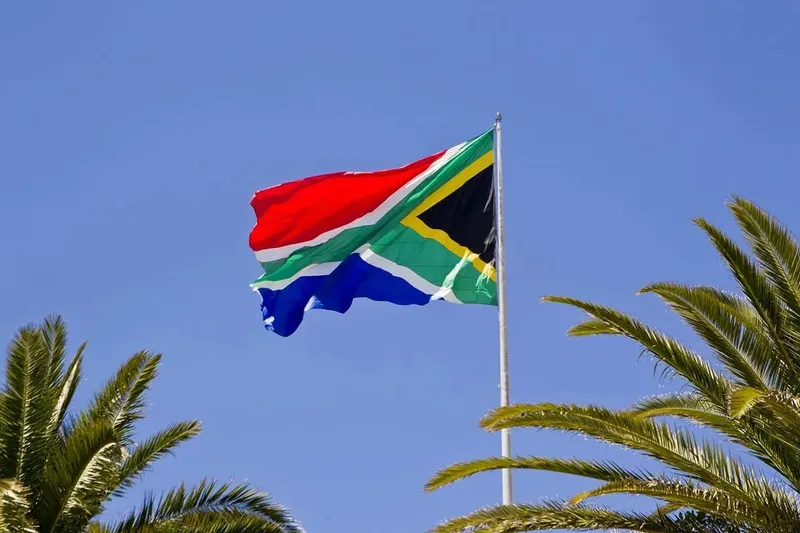
South Africa: What Remains of the Miracle
In 1994, South Africa appeared to accomplish the improbable. After decades of apartheid, political violence, international sanctions and confrontations that many feared would culminate in civil war, the country held its first democratic elections under universal suffrage. Nelson
-
 Africa
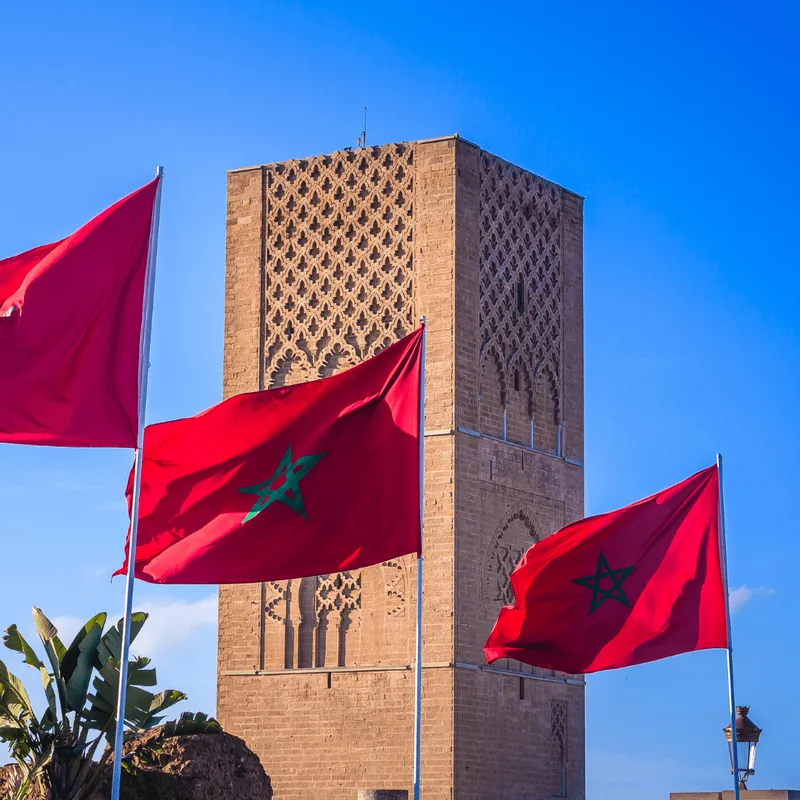
The Moroccan Paradox: A Country Moving Forward, a Society Still Waiting
Morocco is building ports, highways, railway lines, energy infrastructure and industrial zones. It manufactures automobiles and aerospace components, exports processed phosphates, attracts international investment and is becoming increasingly integrated into European and global v
-
 Africa
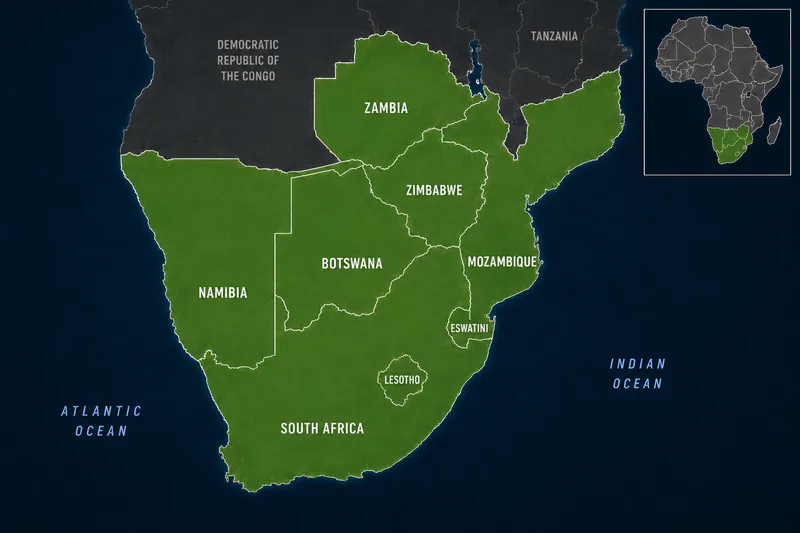
Southern Africa: Africa’s Industrial Core Between Mineral Wealth, Economic Integration and Structural Challenges
Southern Africa occupies a distinctive position in the economic geography of the African continent.
-
 Africa
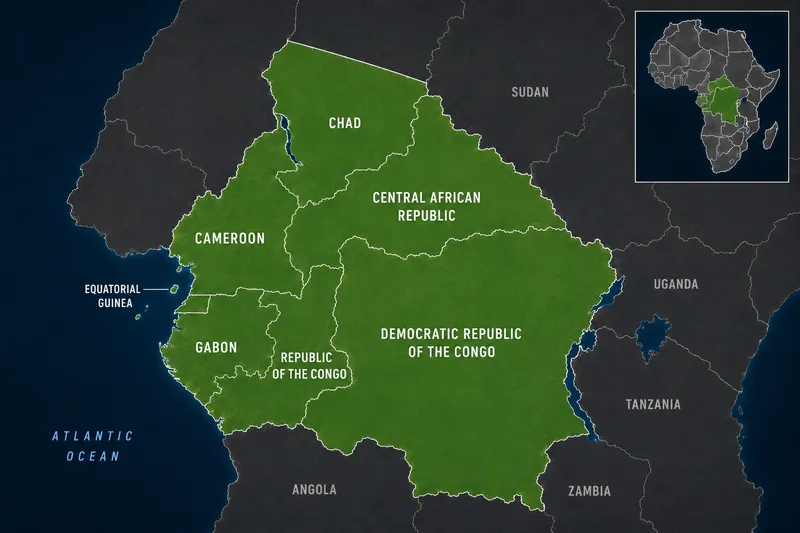
Central Africa: A Strategic Region at the Heart of Global Resource Competition
L’Afrique centrale occupe une position paradoxale dans l’économie mondiale. Elle possède certaines des ressources minérales les plus recherchées par les industries contemporaines, abrite le deuxième grand massif de forêt tropicale de la planète, dispose d’un potentiel hydroélectrique considérable et contrôle des territoires situés au croisement de plusieurs espaces économiques africains.
-
 Africa
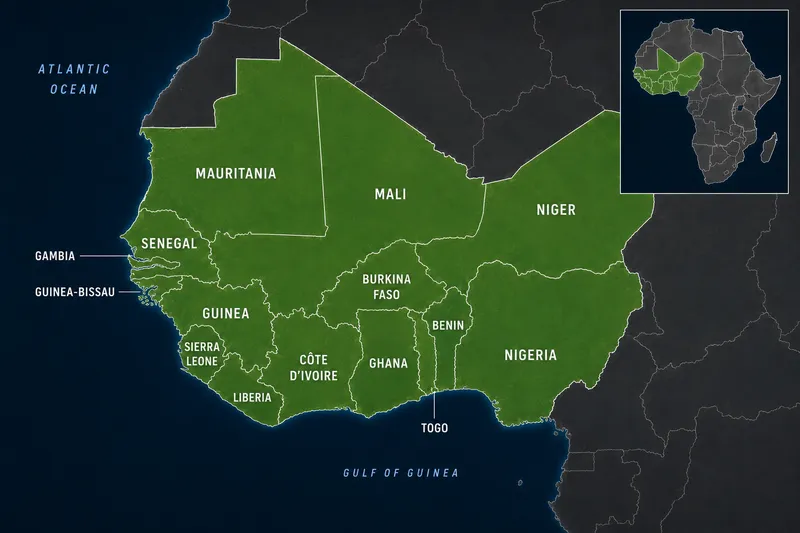
West Africa: Economic Power, Security Challenges and Geopolitical Realignment
West Africa occupies a distinctive position in the restructuring of global economic and geopolitical balances.
-
 Africa
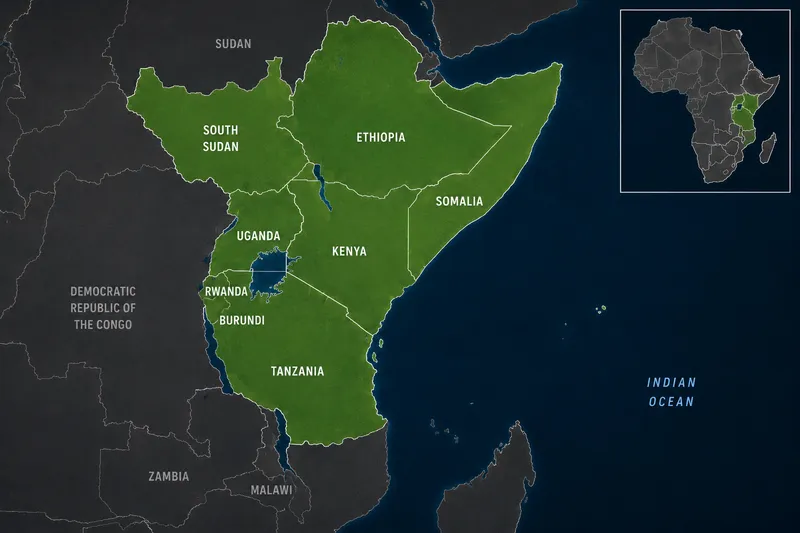
East Africa: A Region Shaping Africa’s Future
East Africa occupies a distinctive position in the restructuring of global economic and geopolitical balances.
-
 Africa
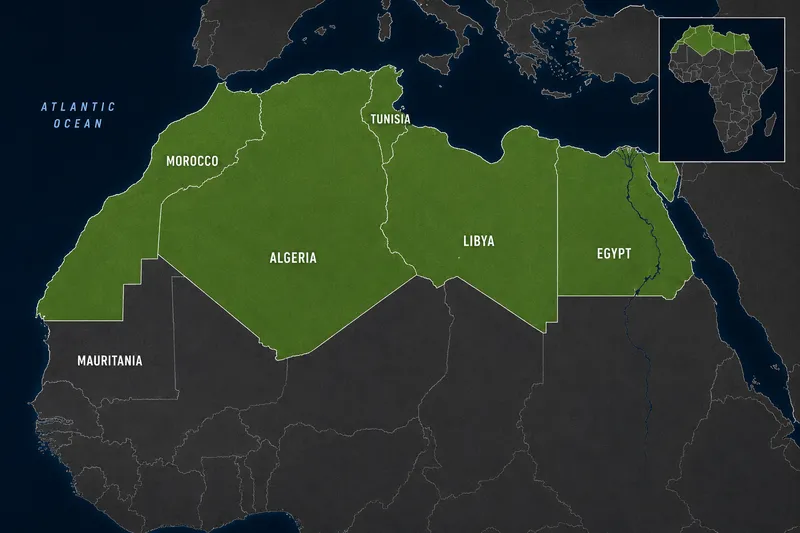
North Africa: Power Structures, Strategic Resources and Political Balances
A region at the crossroads of Africa, the Mediterranean and the Middle East.
-
 Africa
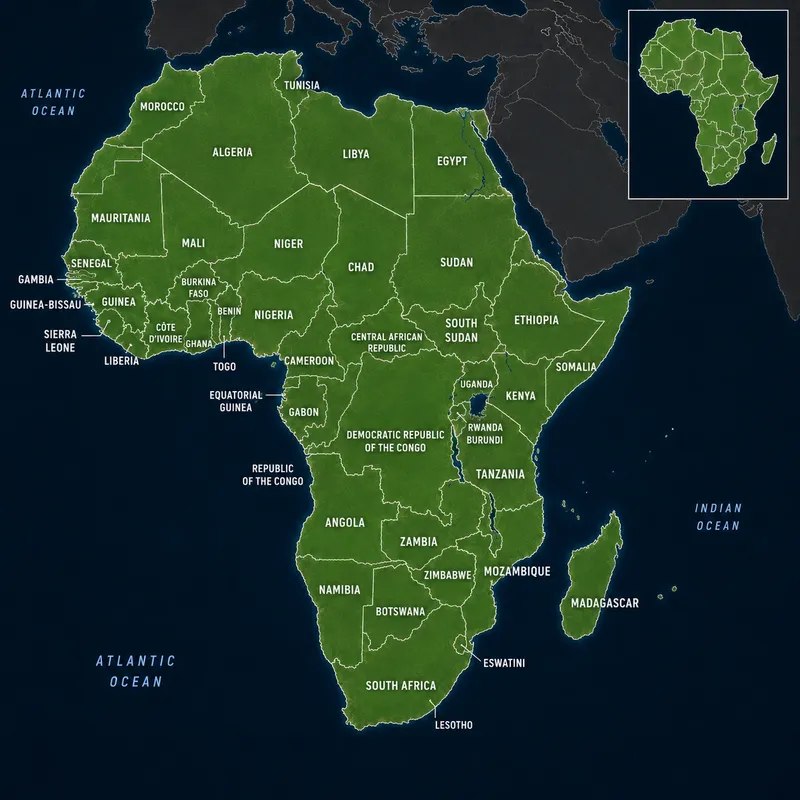
Why Africa Is Becoming the Center of Global Rivalries ?
Africa occupies an increasingly important position in the economic, industrial, and military strategies of the world's major powers.