

Section
Geopolitics
Power politics, diplomacy, sanctions, conflicts and international relations.
47 published articles
Featured
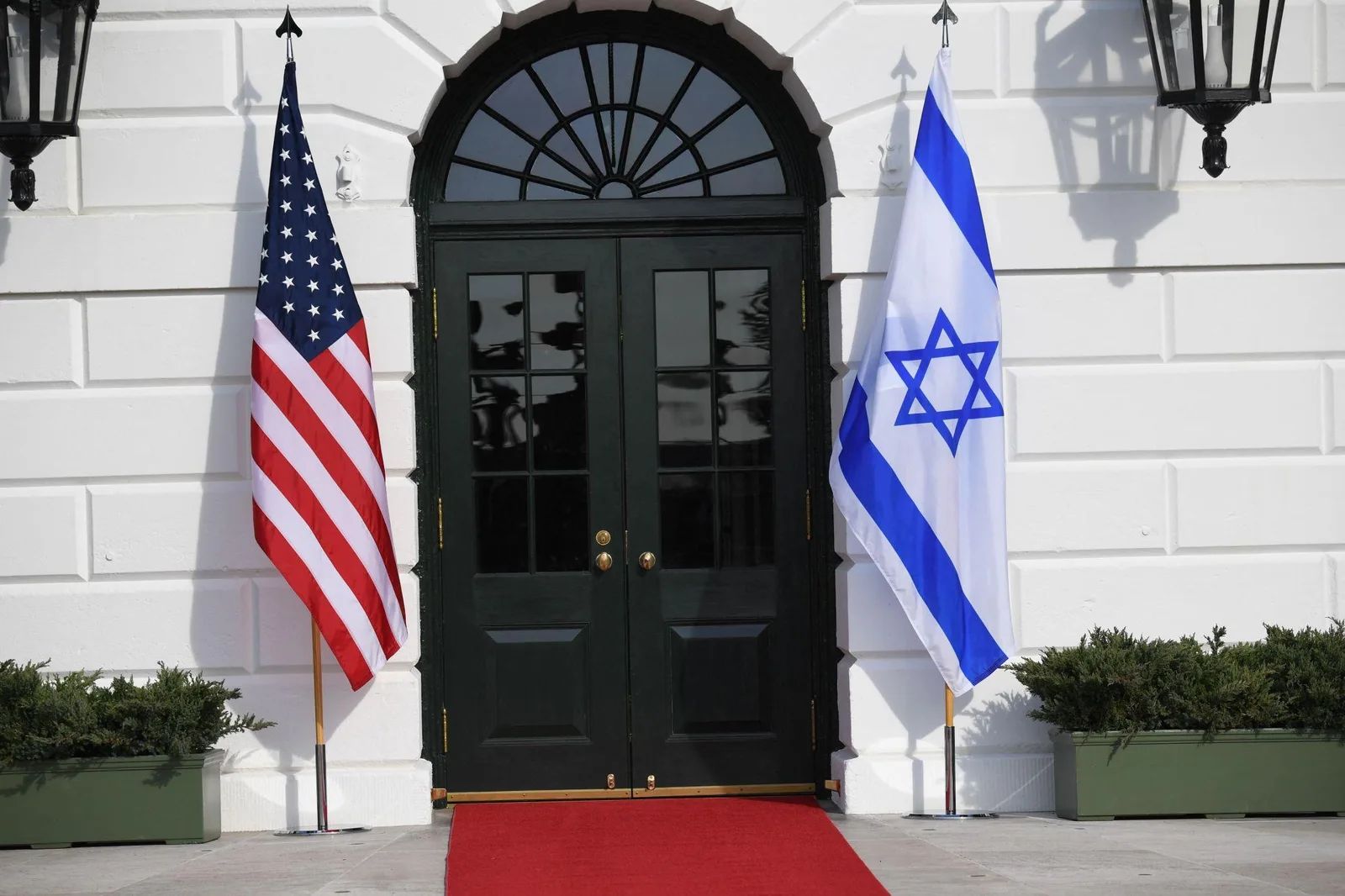
Israel–United States: The End of Aid, Not Dependence
By announcing the early termination of annual US military assistance to Israel, Donald Trump is challenging a framework that has shaped bilateral relations for decades. Yet behind the $3.8 billion figure lies a deeper transformation: the possible transition from an alliance susta
AnalysisRecent publications
-
 Geopolitics
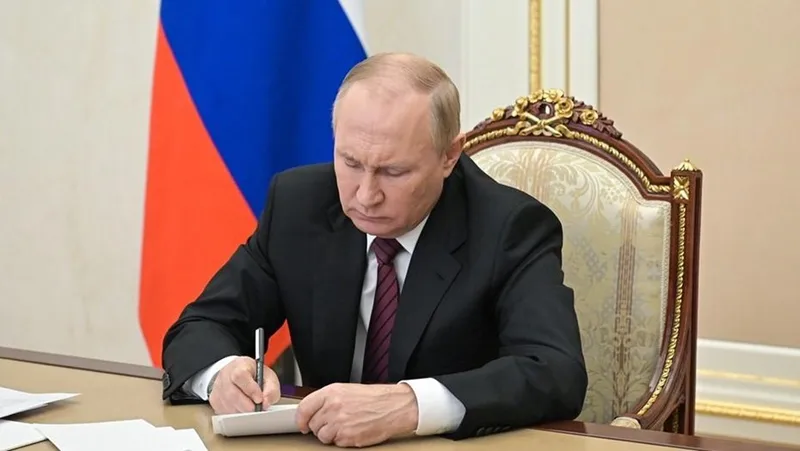
Russia–Europe: Property Rights in an Age of Confrontation
By placing additional European industrial assets under Russian administration, Moscow is accelerating a profound transformation of its economic relationship with the West.
-
 Geopolitics
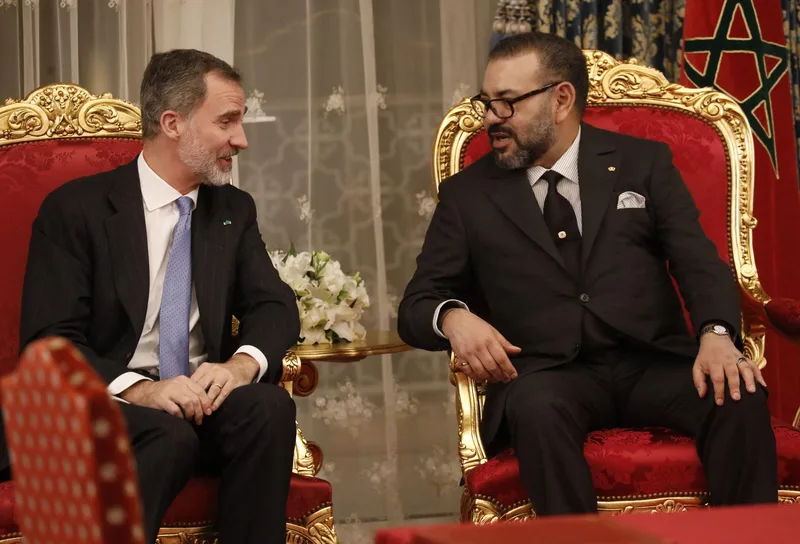
Morocco–Spain: What Each Can Gain, What Neither Will Concede
In Ceuta, Felipe VI reaffirmed the territorial boundaries of Spain’s partnership with Rabat.
-
 Geopolitics
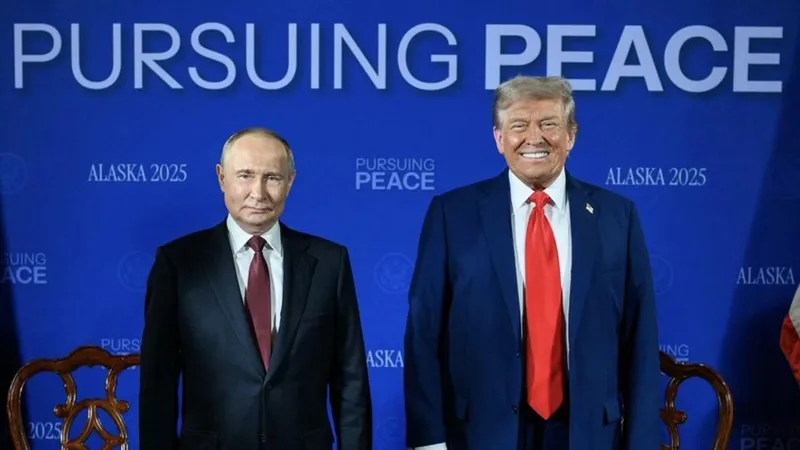
Russia: Diesel Cracks the Sanctions Regime
Russian refining infrastructure lies at the center of a new trade-off between American energy security and economic sanctions against Moscow.
-
 Geopolitics
Russia: Influence Without Allegiance
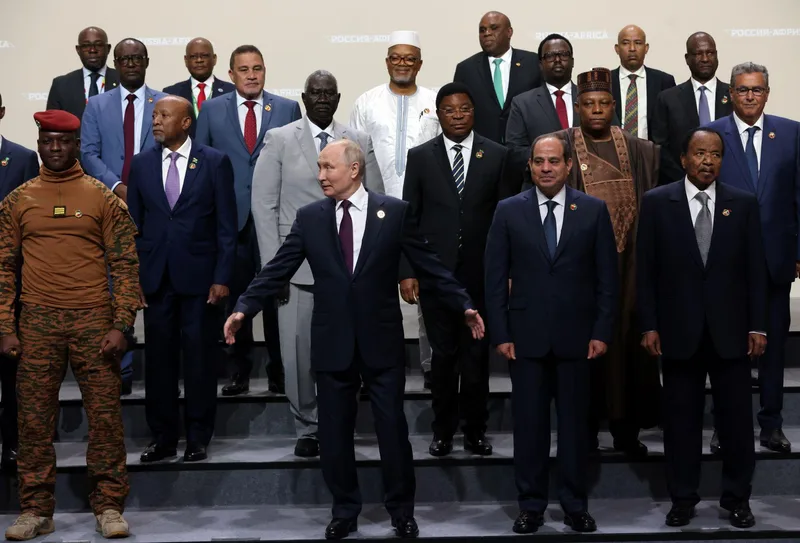
Russia can lose markets, see its arms exports decline and still retain considerable power to shape world affairs. It can face opposition within a society while becoming indispensable to its leaders. It can inspire a government’s distrust while continuing to maintain its military equipment, supply its energy or participate in negotiations on which its security depends. This coexistence of vulnerability and influence is one of the defining characteristics of Russian power.
-
 Geopolitics
Morocco–Europe: The Border Becomes a Bargaining Instrument
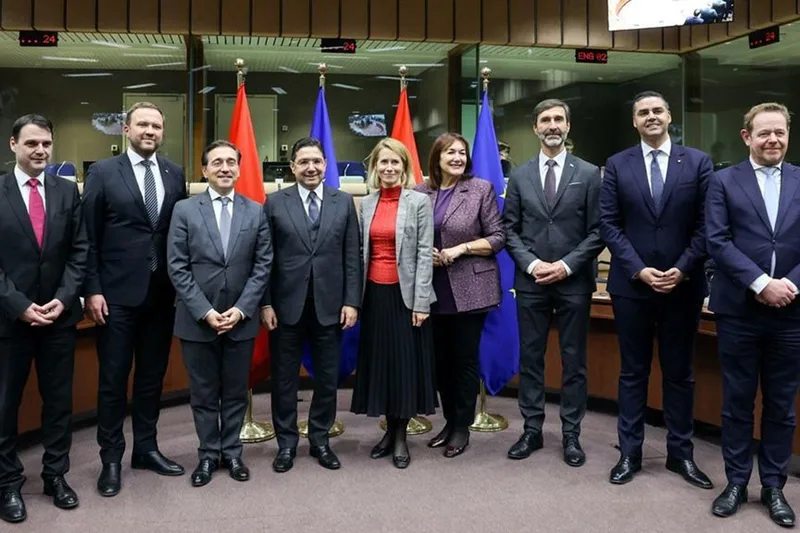
Following the migration crisis in Ceuta, Rabat is preparing a new cooperation proposal with the European Union.
-
 Geopolitics
Ethiopia–Eritrea: The War Behind the Border
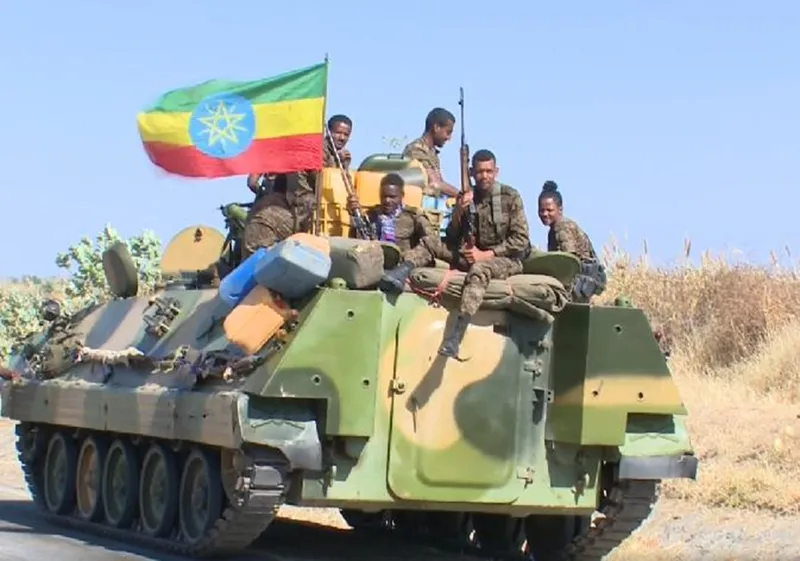
On October 9, 2026, Ethiopia brought an accusation before the United Nations Security Council whose consequences could extend far beyond the borders of the Horn of Africa.
-
 Geopolitics
Europe–China: Trade Under Scrutiny
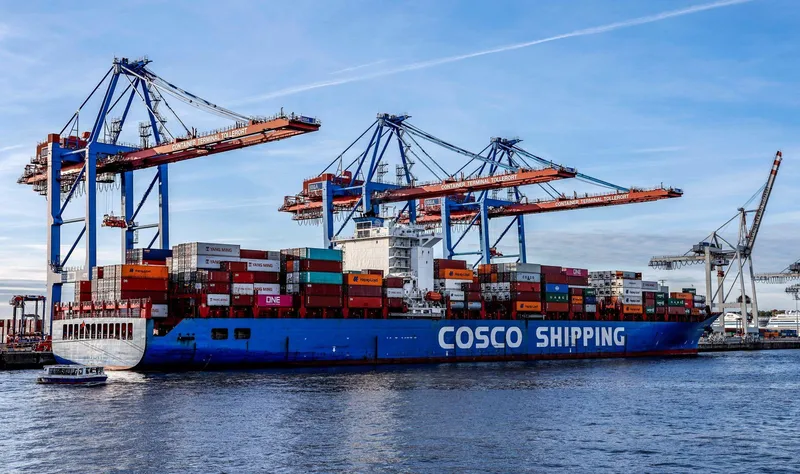
On October 7, 2026, the German government decided that an apparently ordinary commercial transaction could no longer be assessed solely through market criteria. Berlin blocked Chinese state-owned shipping group COSCO from acquiring an 80% stake in Konrad Zippel, a company specializing in container transportation between ports and their hinterlands.
-
 Geopolitics
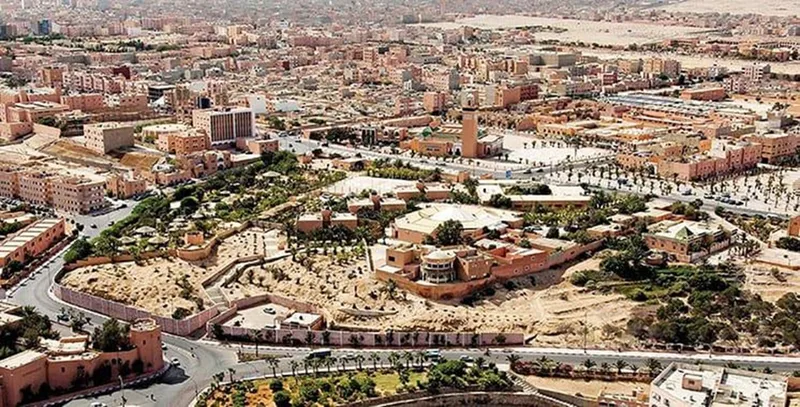
Sahara: Time Is Beginning to Work in Rabat’s Favor
In Laayoune, the conflict does not look like a territory suspended for half a century. The city is expanding, roads run south toward Dakhla and Mauritania, ports are being developed, public investment has transformed infrastructure, and Moroccan institutions operate much as they do elsewhere in the Kingdom.
-
 Geopolitics
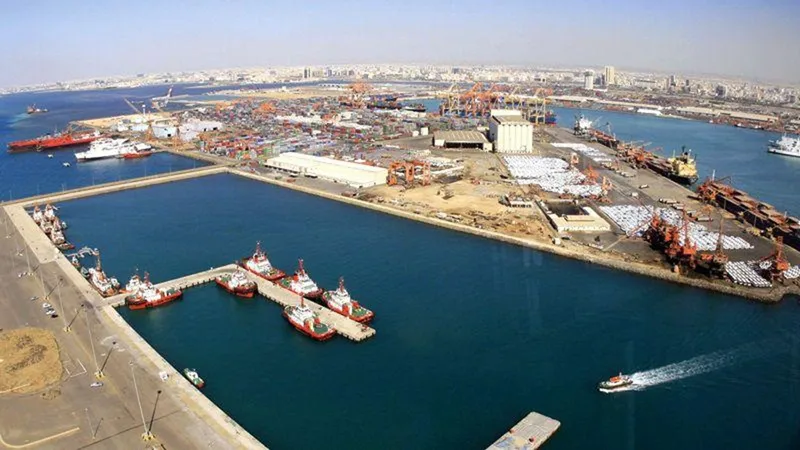
Saudi Arabia: Taking Back the Land to Reopen the Sea
For years, the Red Sea was treated as a maritime problem. Frigates escorted merchant vessels, destroyers intercepted drones, missiles were shot down above shipping lanes, and international coalitions tried to keep one of the world’s main commercial arteries open. Yet in early October 2026, the response taking shape in Riyadh is no longer merely naval.
-
 Geopolitics
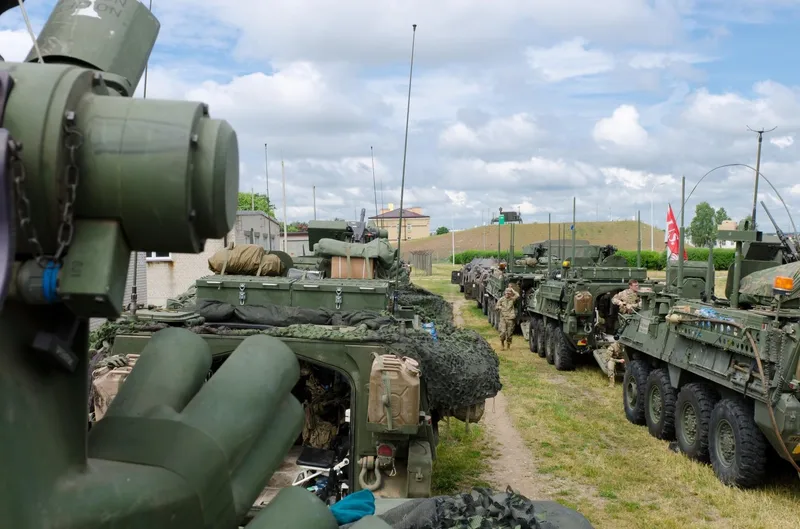
Kaliningrad: The Geography That Shortens the Escalation Ladder
On a map of Europe, Kaliningrad looks like an anomaly left behind by history. A Russian territory separated from Russia, wedged between Poland and Lithuania, facing a Baltic Sea whose shores now belong almost entirely to NATO members. Barely 15,000 square kilometres, less than 200 kilometres from east to west, yet one of the places where Europe’s military fault lines converge most densely.
-
 Geopolitics
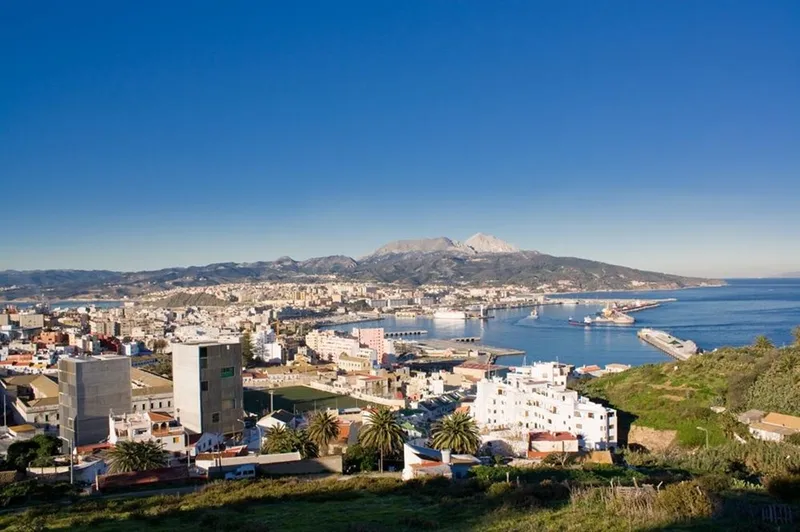
Morocco–Spain: The Limits of Rapprochement
The itinerary comes down to two dates: Ceuta on 13 October, Melilla the following day. Announced on 1 October, Felipe VI and Queen Letizia’s trip will be their first official visit to the two cities since the king’s accession in 2014.
-
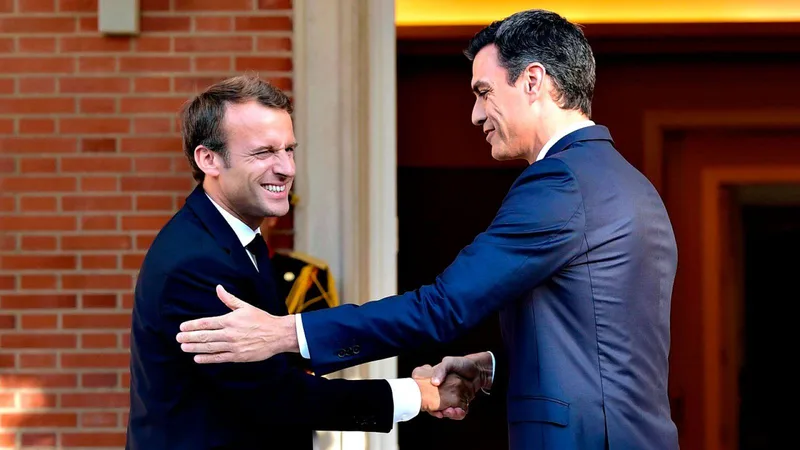 Geopolitics
Ceuta: Macron Europeanises the Crisis Without Blaming Morocco
Madrid was supposed to celebrate a restored relationship. Instead, it revealed how a crisis unfolding along a few kilometres of North African border is changing scale.