

Reports
Reports and Studies
In-depth reports, research notes, comparative studies and strategic assessments.
Featured
Multinational Taxation: Principles and Grey Areas
The global economy is built around companies whose operations cross borders, while their profits remain subject to national tax systems. Between transfer pricing, intellectual property, international tax treaties and the global minimum tax, multinational taxation exposes a fundam
-
The Faces of Authoritarianism: When Ideologies Converge Toward the Concentration of Power
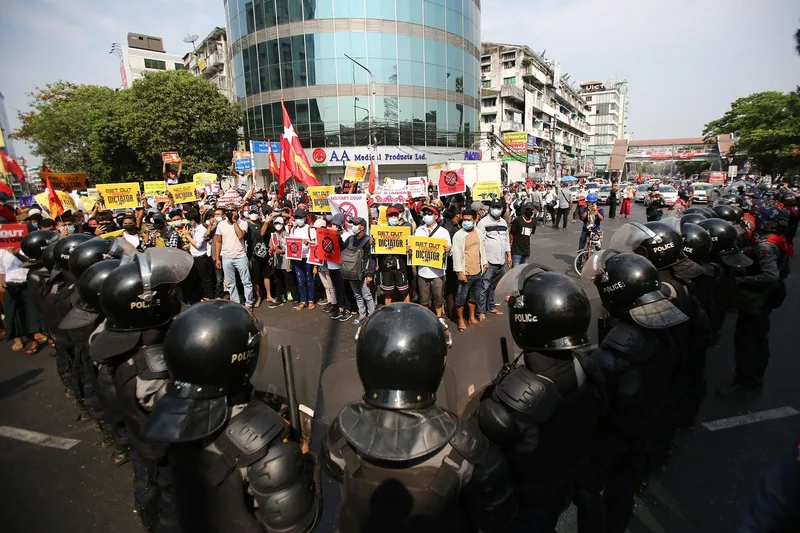
Authoritarianism has many faces. It can invoke revolution or tradition, the nation or social class, religion or the military, order or the radical transformation of society. It can emerge from a coup, a civil war, or a revolution, but it can also advance within democratic institu
-

The Steel Industry: From Ancient Forges to a New Age of Strategic Power
Part I — Steel, the Invisible Foundation of Modern Power It is everywhere, yet rarely attracts attention. Behind the skyscrapers that shape urban skylines, the bridges that connect territories, the railways that structure trade, the power plants that supply economies, and the shi
-
Governing Through Guilt: When Collective Failures Become Individual Moral Obligations
When Collective Failures Become Individual Moral Obligations Democracies do not function through legal coercion alone. They also rest on shared norms, civic duties and a particular understanding of the common good. Paying taxes, respecting collective rules, contributing to nation
-

The Psychology of Organizations: The Invisible Forces That Shape Organizations
Organizations are often described through their formal structures: organizational charts, reporting lines, departments, procedures, budgets, and strategic plans. These elements are necessary, but they do not fully explain how institutions function.
-
The Nuclear Age: The Return of the Atom
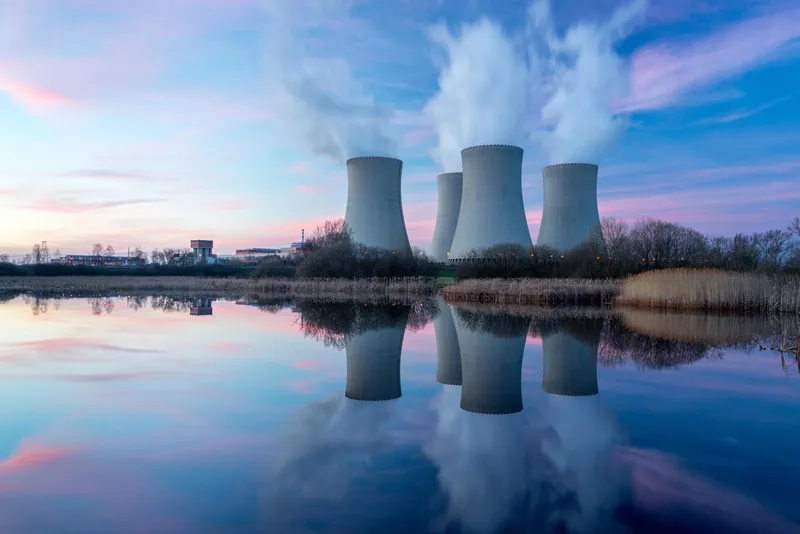
Beyond electricity generation, nuclear energy concentrates strategic stakes that are reshaping global power relations. From uranium to reactors, the atom is once again becoming a central instrument of sovereignty.
-
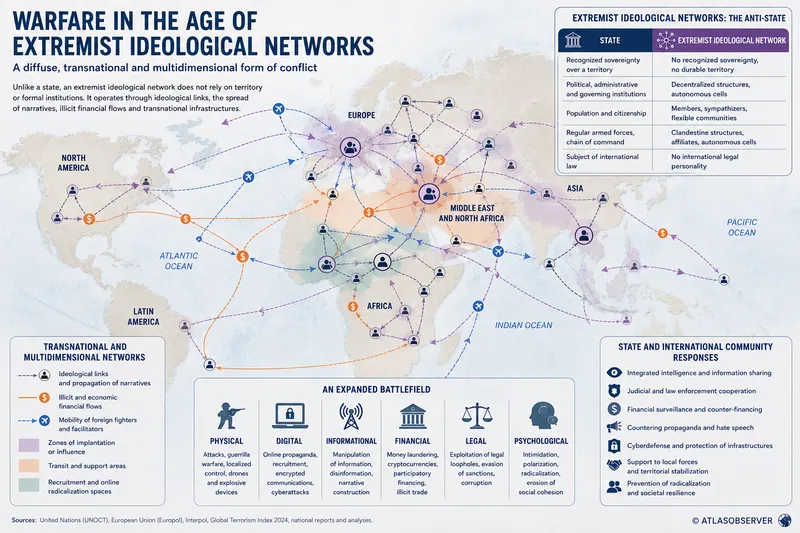
Warfare Against Extremist Networks
The Transformation of Threats, the Limits of Military Power and the New Architecture of Security.
-
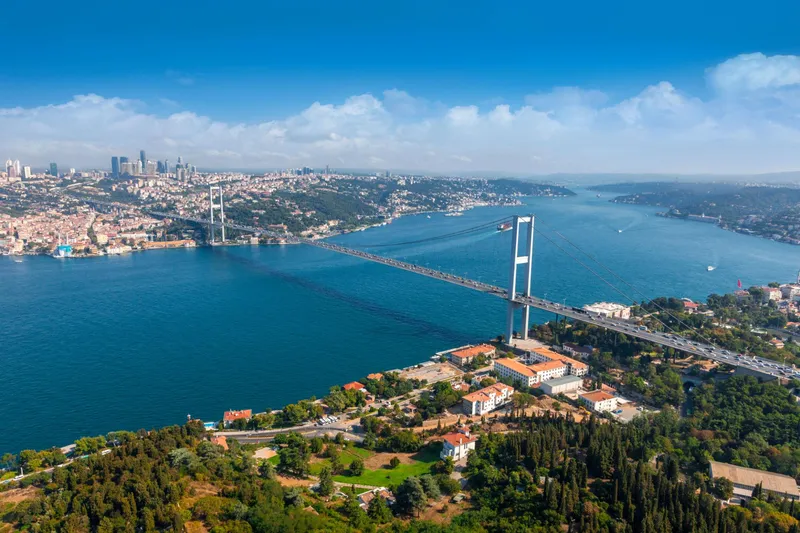
Eurasia: The Return of the World Continent
For much of the twentieth century, geography appeared to have lost much of its explanatory power. The expansion of international trade, the telecommunications revolution, commercial aviation, the Internet, and the financialization of the global economy fostered the belief that distance was gradually becoming irrelevant. Capital moved across borders in milliseconds, goods crossed oceans at ever-lower costs, and production chains stretched across multiple continents. Globalization seemed to herald a world in which physical borders would matter less and less.
-

Social Cleavages and Public Policy: Instrumentalization or Equity?
Social inequalities are generally presented as dysfunctions that public policy should correct. Disparities in income, wealth, access to education, healthcare, housing and employment are regarded as imbalances capable of undermining national cohesion and equality of opportunity. This interpretation is necessary, but it remains incomplete.
-
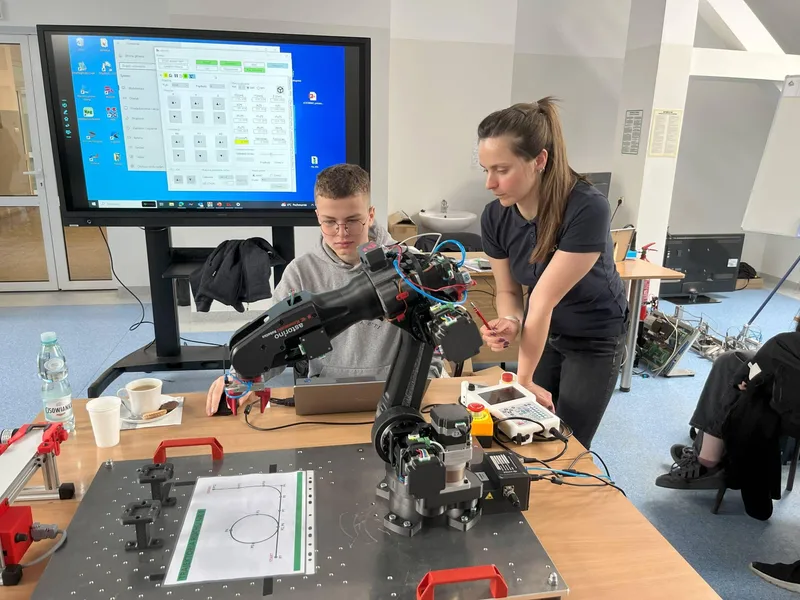
Education in a World of Work That Never Stops Changing
For a long time, the contract seemed relatively simple. People studied for fifteen or twenty years, learned a profession, and then relied on much of that knowledge for several decades.
-

AI: The New Economy of Power
Artificial intelligence is becoming more than a technology: it is reshaping the distribution of capital, knowledge and strategic influence. A new economy of power is emerging, built on data and computing capacity.
-
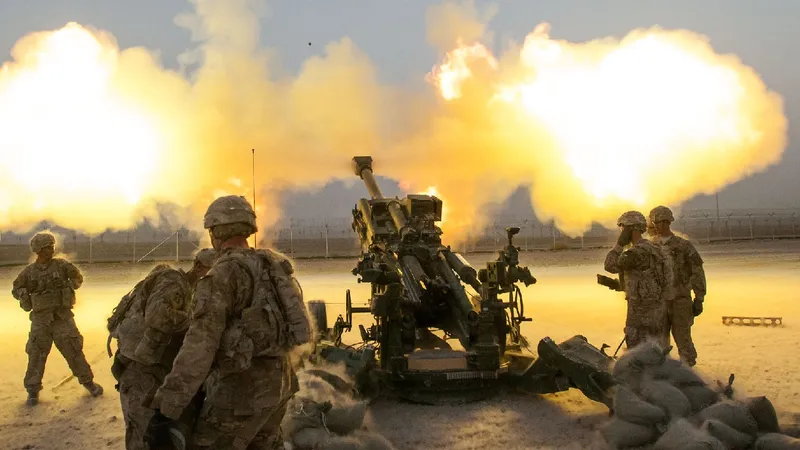
The Major Conflicts of Our Time
The proliferation of armed conflicts has become one of the clearest manifestations of the transformation of the international system. From Ukraine to the Middle East, from Sudan to the Democratic Republic of the Congo, and from the Sahel to Myanmar, prolonged wars are devastating societies, weakening states, displacing populations and mobilising considerable economic and military resources.
-
Competition: A Driver of Progress and a Source of Strategic Tension
Competition is often described as a race. Individuals compete for jobs, companies for customers, and states for investment, technologies and resources. The strongest performers advance, the less efficient adapt or disappear, and innovation, productivity and growth are expected to emerge from this process of selection.