

Section
Geopolitics
Power politics, diplomacy, sanctions, conflicts and international relations.
Featured
Morocco–Spain: Old Demons Return
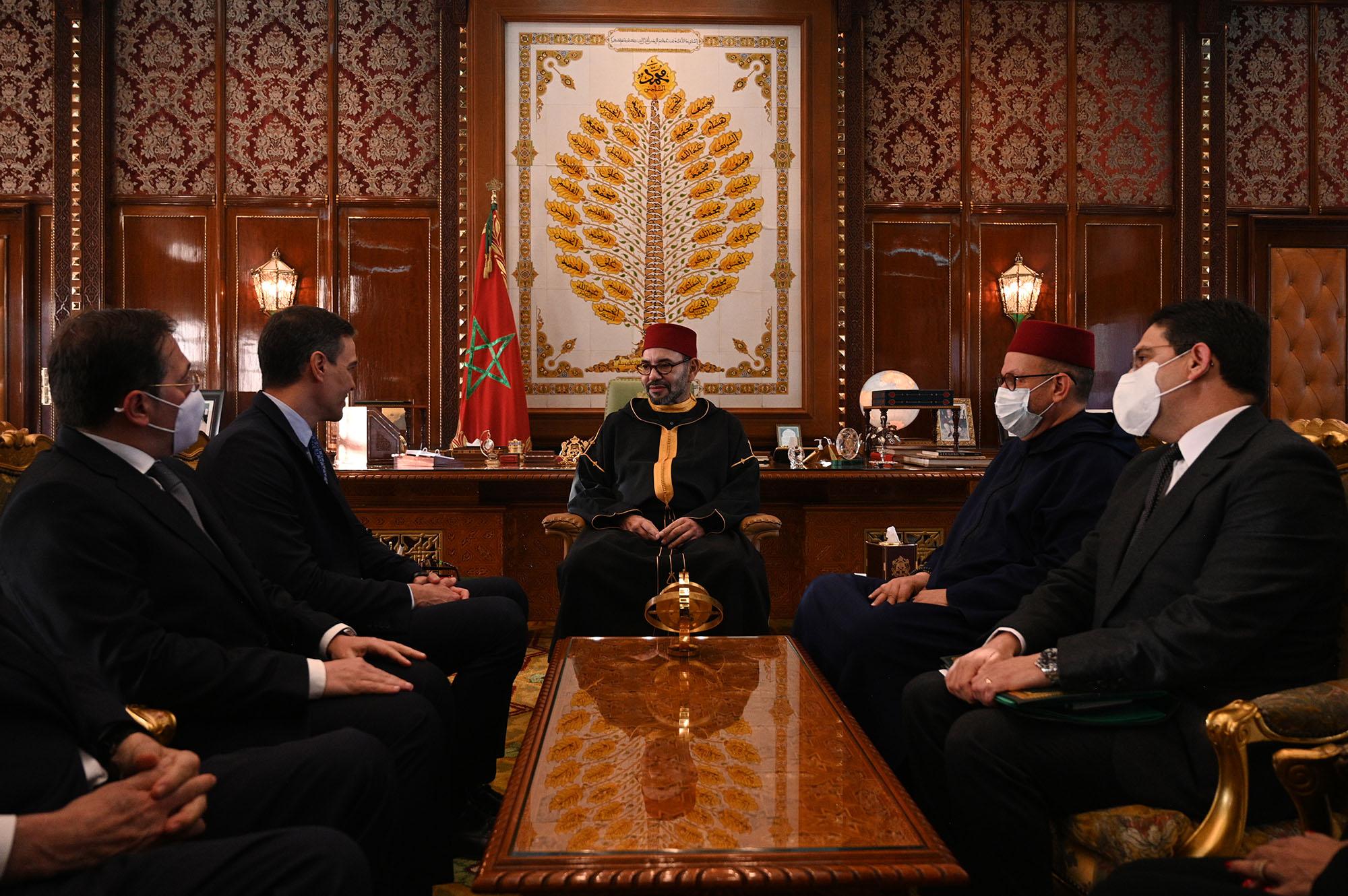
Morocco–Spain: Old Demons Return
There are international relationships that can be broken. The one between Morocco and Spain is probably not among them.
AnalysisRecent publications
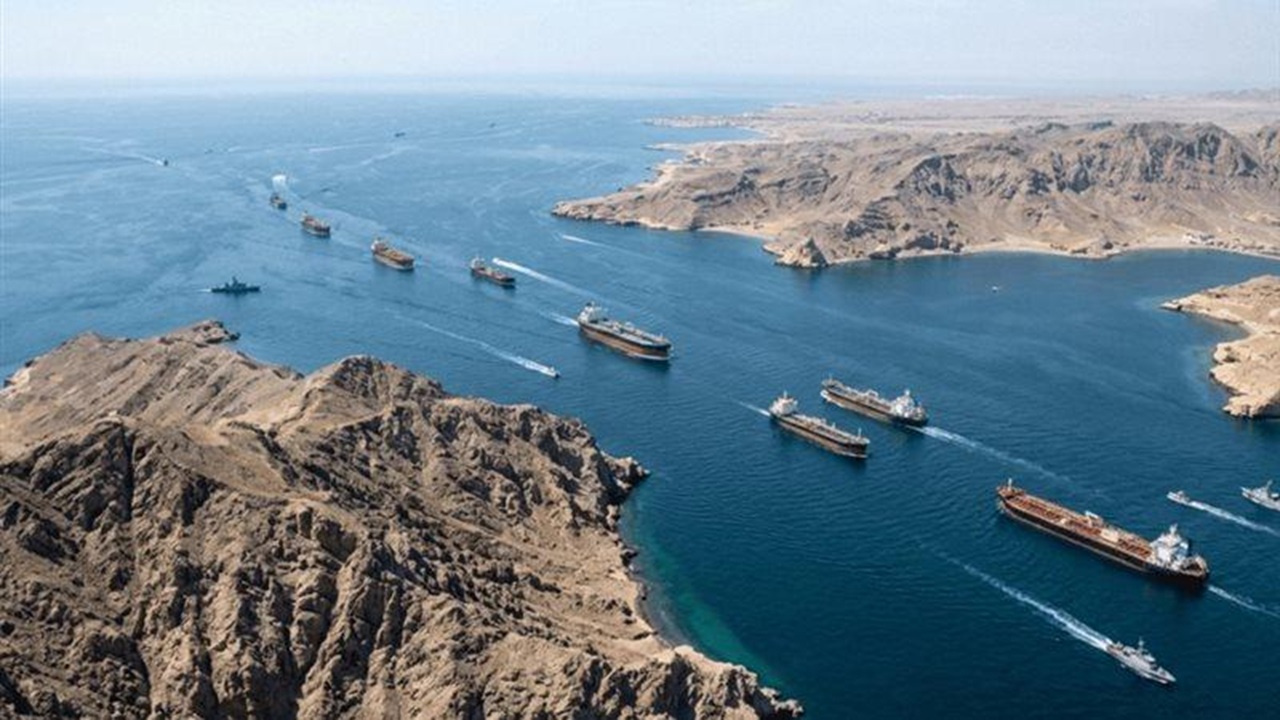
Iran: The New Hormuz Regime
By progressively transforming the Strait of Hormuz into a space governed by authorization, screening and sanctions, Tehran is experimenting with a form of control more sophisticated than a simple blockade.
Washington: The Doctrines of Power
American diplomacy seems to change its face with every generation. It can be cautious or interventionist, idealistic or realist, multilateral or transactional.
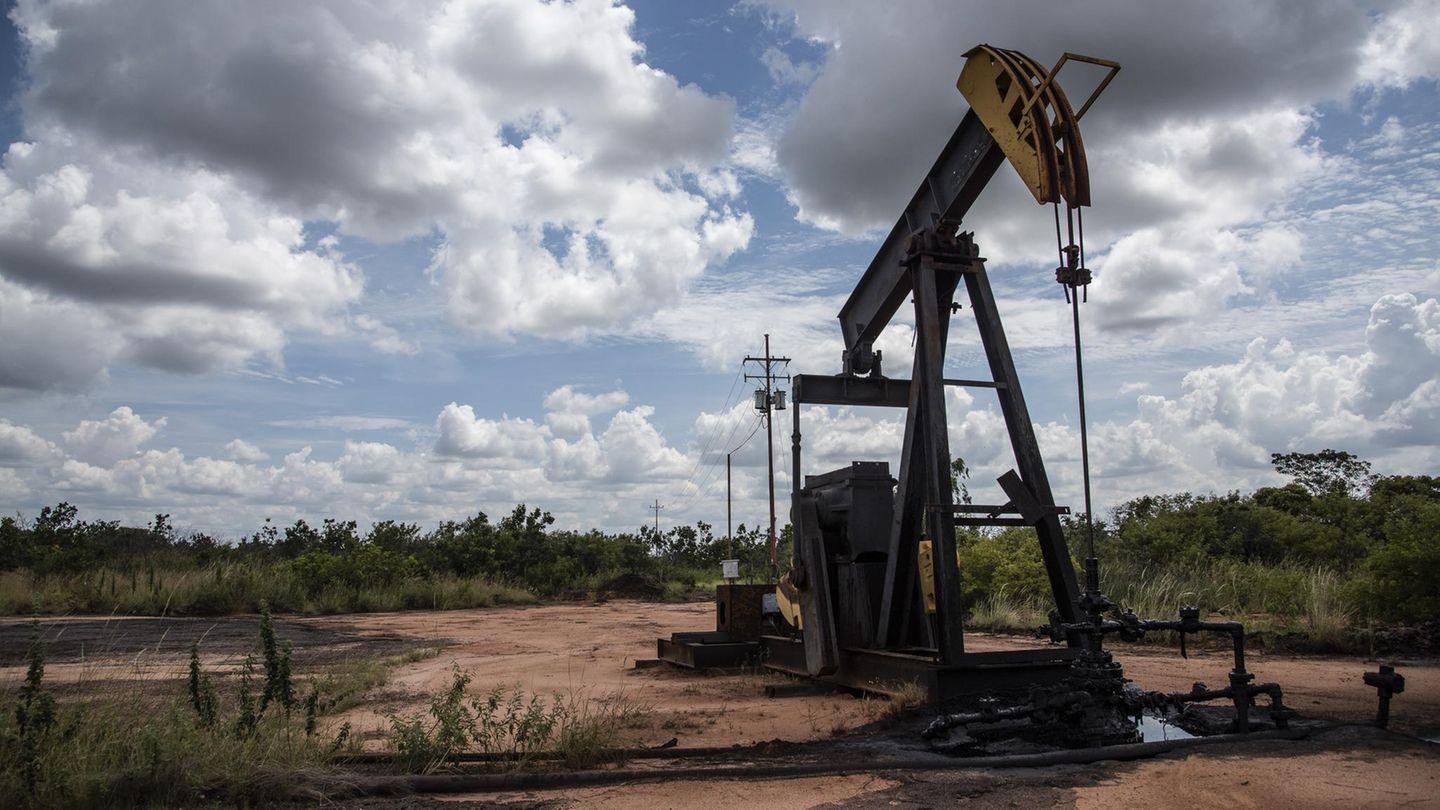
Venezuela–United States: The Oil Peace
On January 3, 2026, U.S. forces entered Venezuela, captured Nicolás Maduro and his wife Cilia Flores, and transferred the Venezuelan president to the United States to face criminal charges. Less than eight months later, Washington and Caracas are no longer negotiating the terms of confrontation, but those governing the very long-term development of a considerable share of Venezuela’s underground wealth.
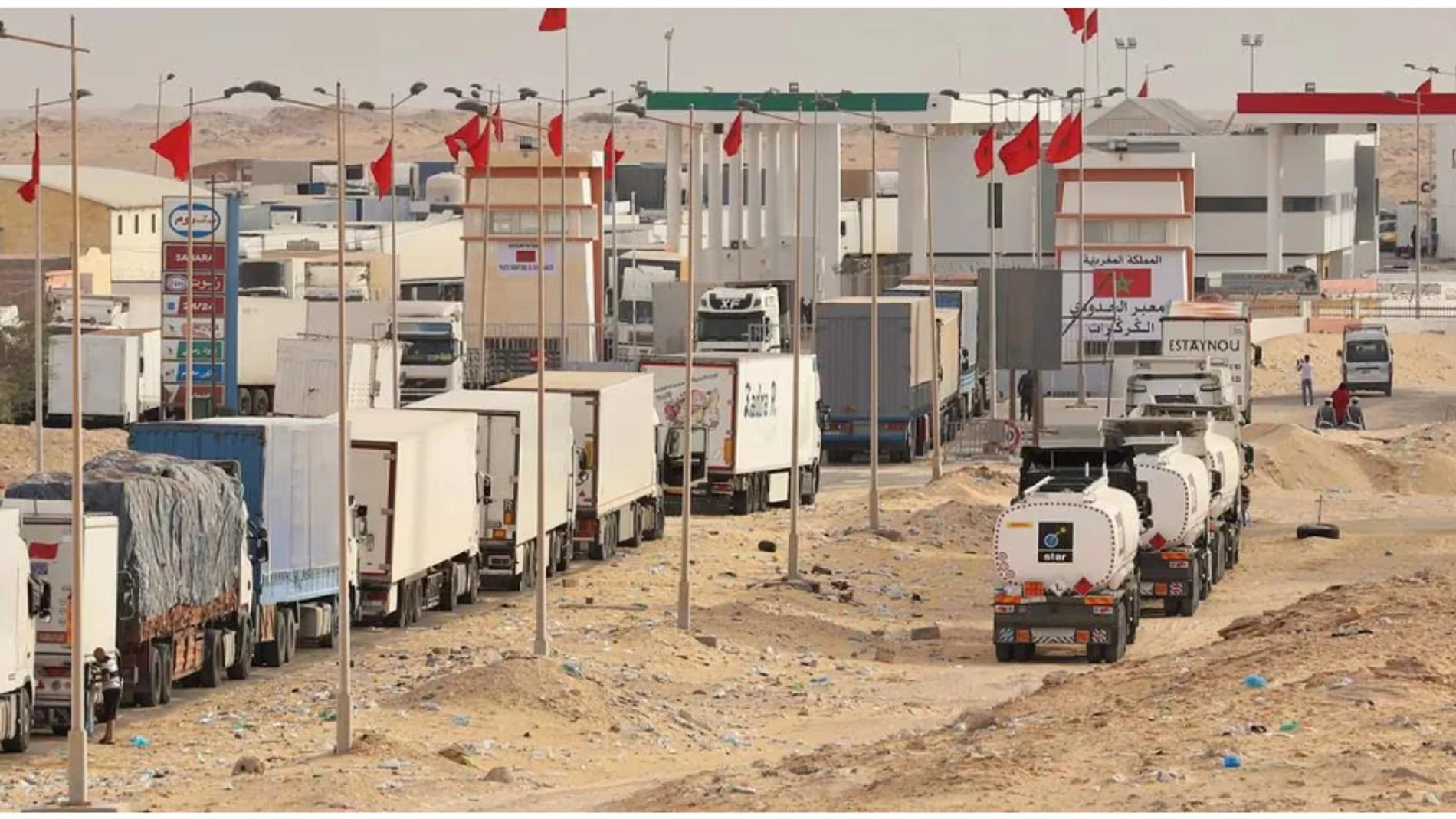
Morocco–Mali: The Atlantic Tested by the Sahel
In the spring of 2026, Moroccan trucks travelling through western Mali were attacked and set on fire.
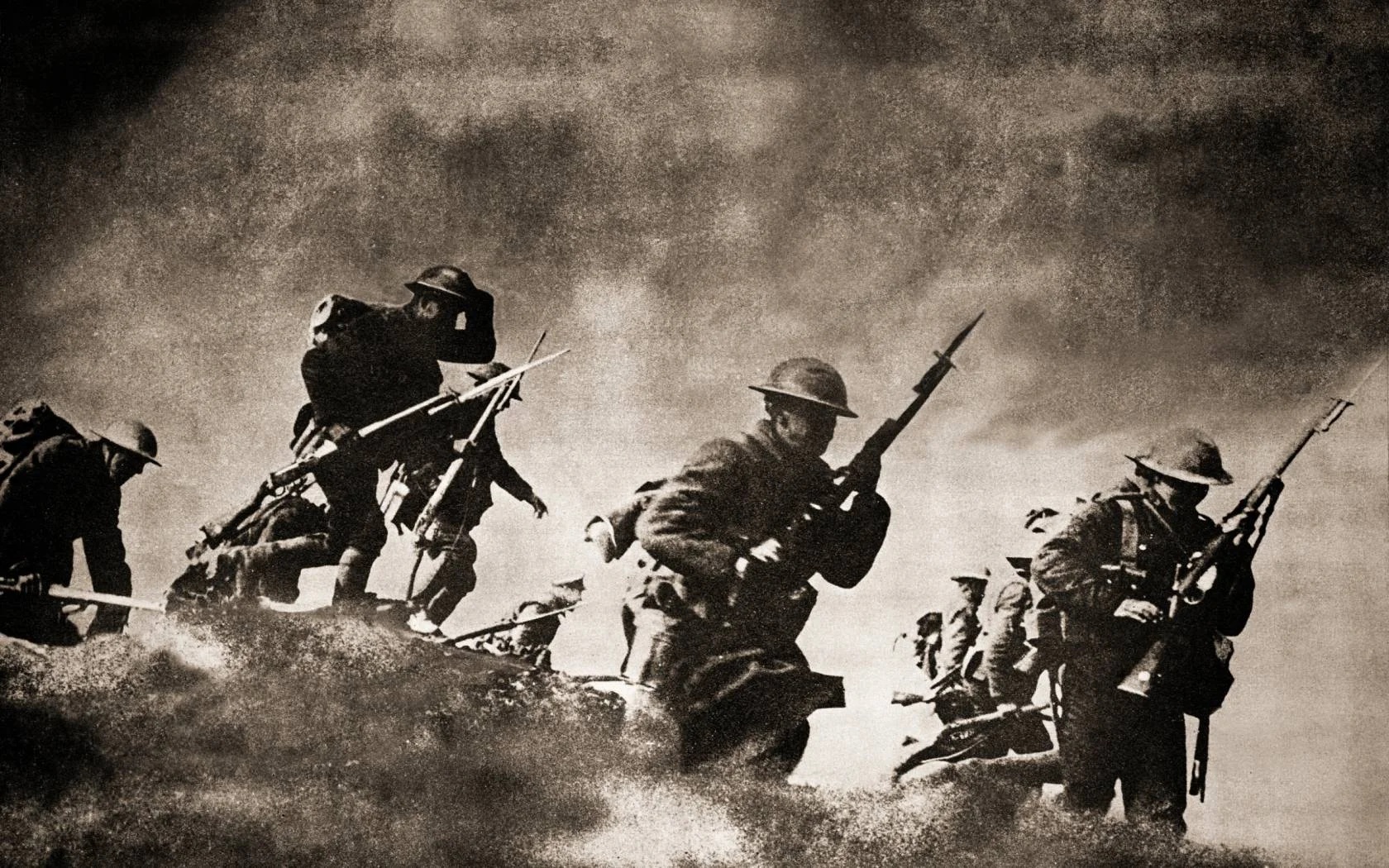
The Necessary Enemy: War as a Political Refuge
Peace requires governments to account for their performance. It exposes the quality of schools, the reliability of infrastructure, the condition of public finances, the economy’s capacity to create employment, and the ability of institutions to correct their own failures. It leav
A World Without a Centre
For several centuries, the international system almost always seemed to have a centre. It was not necessarily an uncontested centre, nor even a power capable of imposing its will everywhere. But somewhere there was a state, a group of powers or a set of institutions dominant enou
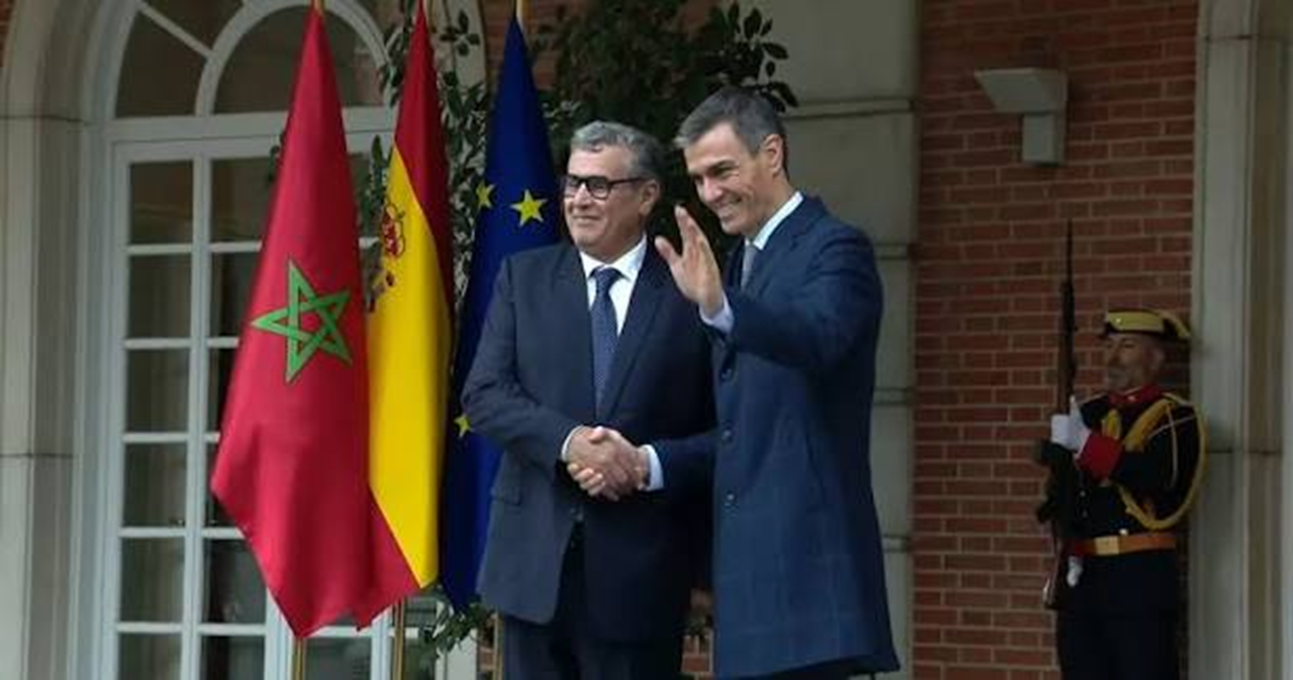
Spain–Morocco: The Indispensable Relationship
Fourteen kilometres apart at their closest point, Spain and Morocco have long maintained a relationship shaped by geographic proximity, historical mistrust and periodic crises. Yet beneath territorial, migration and diplomatic disputes, a much deeper interdependence has gradually
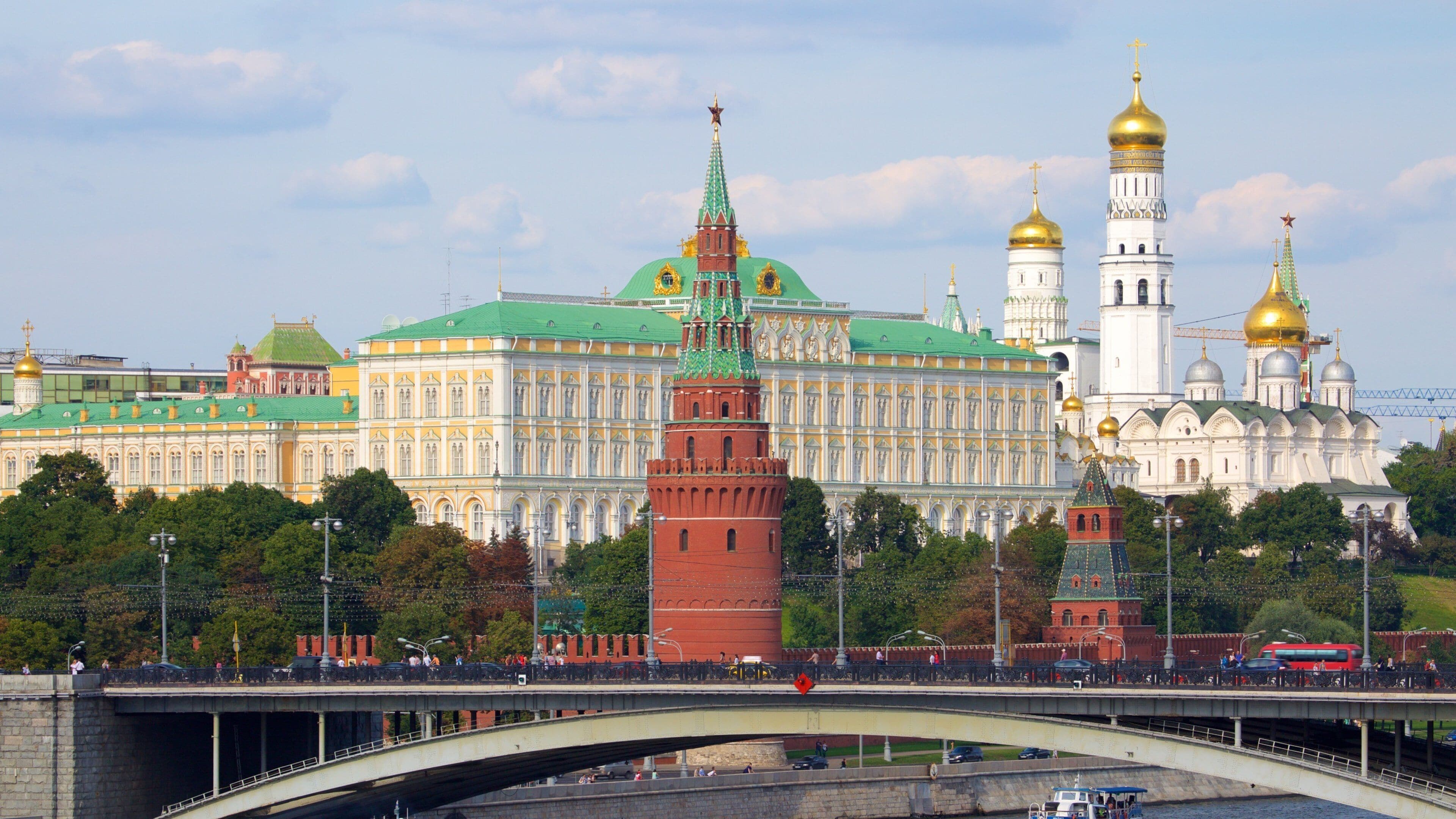
Russia: Between Imperial Legacy, Strategic Power and the Challenges of the Twenty-First Century
Introduction — A Power Shaping the International System Russia occupies a unique position in international affairs. Through its vast territory, abundant natural resources, military capabilities and historical legacy, it remains one of the principal poles of power in the global sy
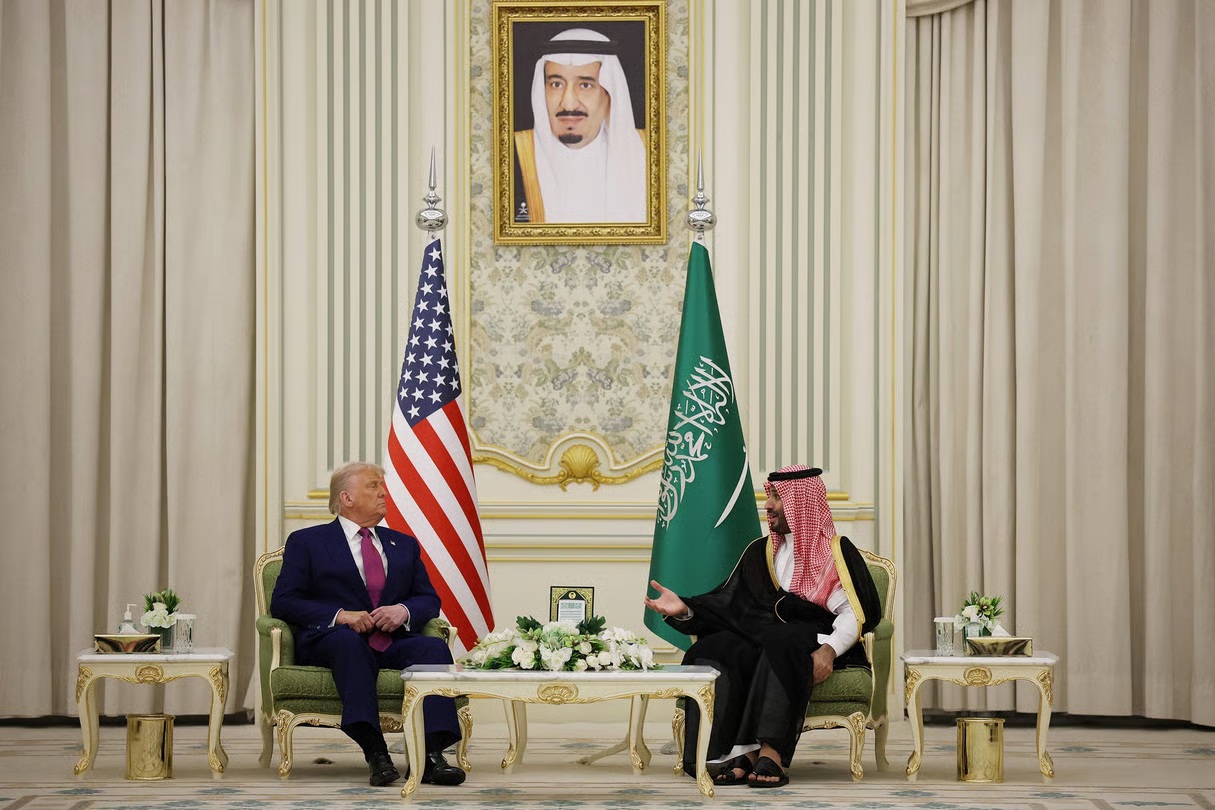
Saudi Arabia – United States: An Alliance in Transition
For nearly eight decades, relations between Saudi Arabia and the United States rested on an apparently simple formula: the security of the kingdom in exchange for its contribution to global energy stability. That interpretation remains useful, but it is no longer sufficient to ex
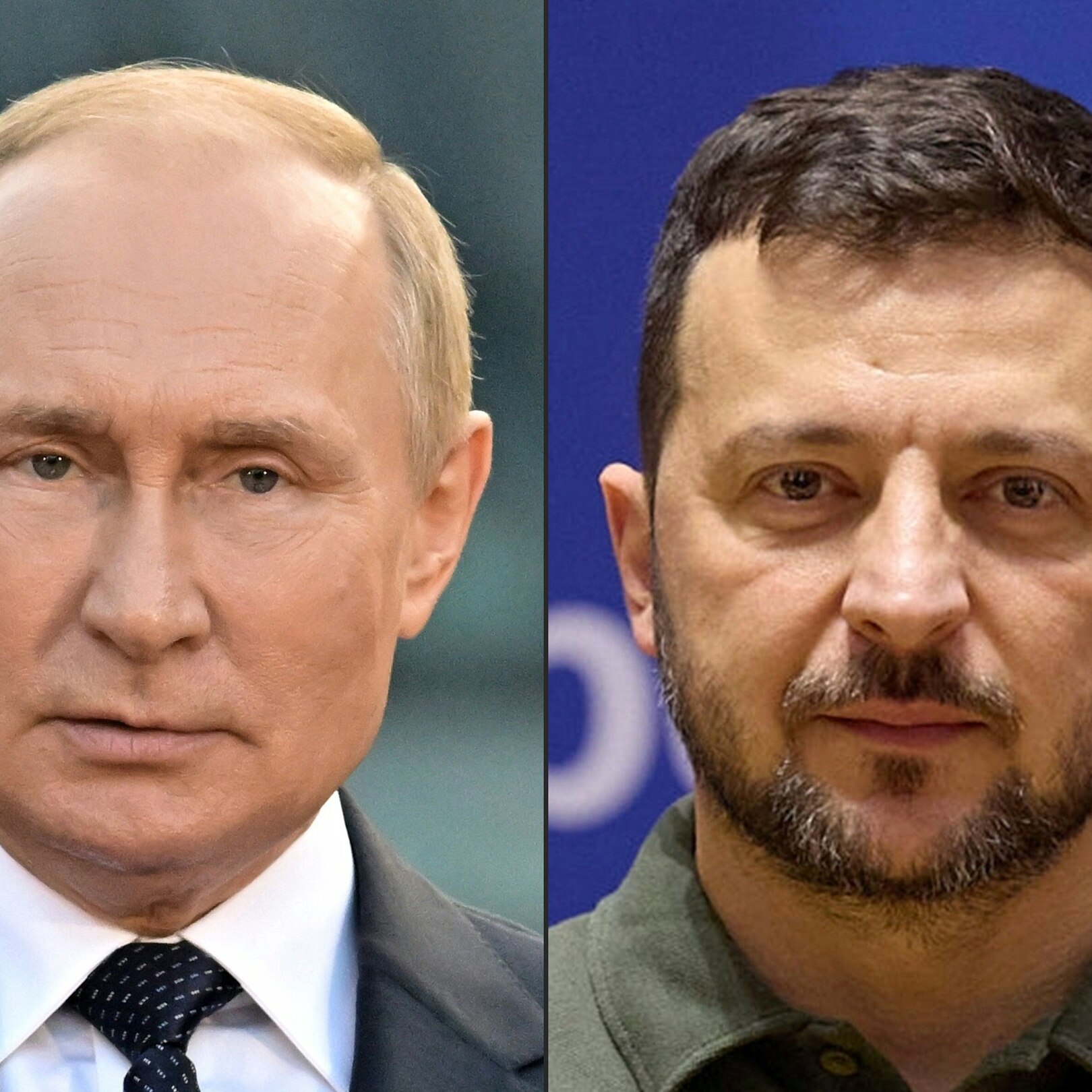
Russia–Ukraine: The War That Reshaped Twenty-First Century Geopolitics
Few conflicts have transformed the international system as profoundly as the war between Russia and Ukraine. What began in February 2022 as a large-scale invasion rapidly evolved into the largest conventional war in Europe since the Second World War. Yet its significance extends
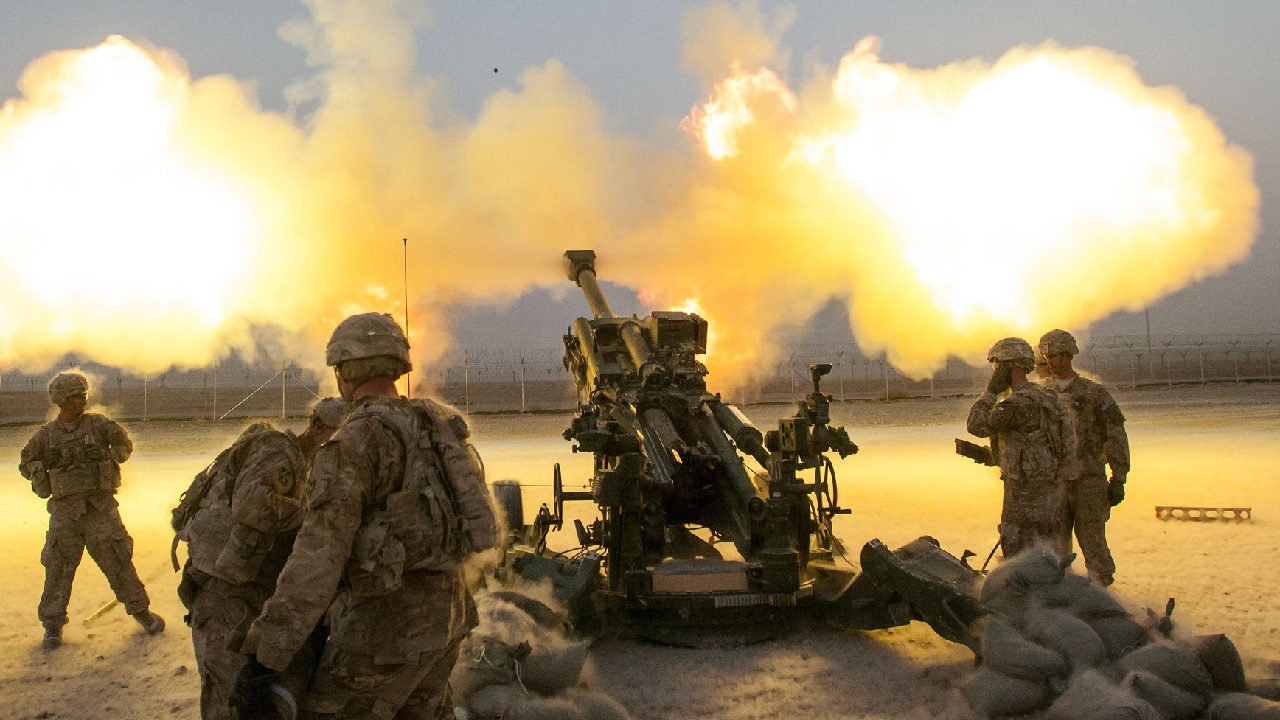
Major Contemporary Conflicts. A structured analysis through their drivers : geopolitical, identity-based, and internal political conflicts.
The contemporary international system is characterized by a growing number and increasing complexity of armed conflicts. According to the Uppsala Conflict Data Program (UCDP), more than 55 active armed conflicts were recorded worldwide in 2024, the highest level since the end of
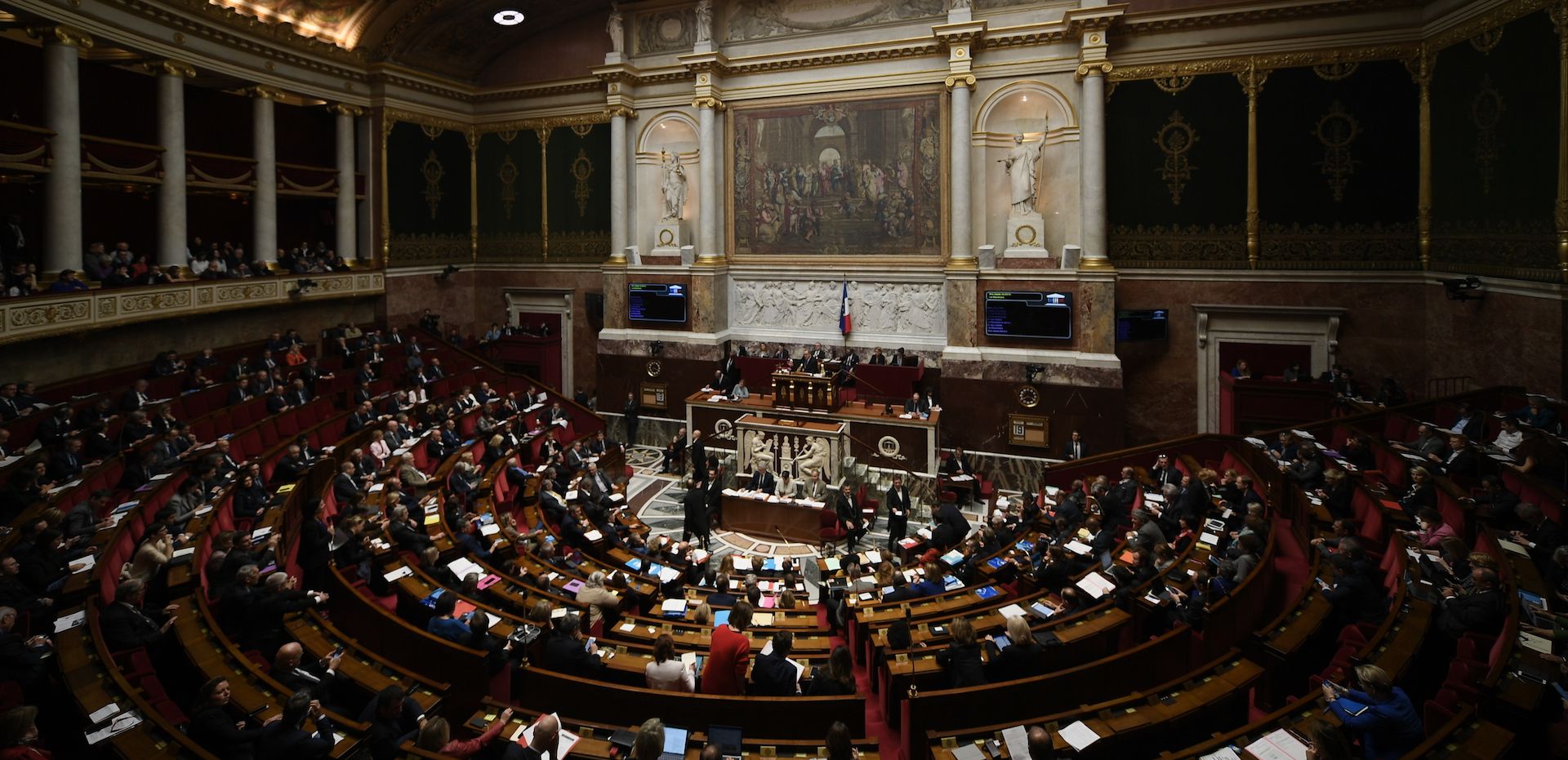
Sovereignty, Intervention and Hegemony : The Matrix of the Emerging World Order
International law proclaims the equality of states. Global power, however, determines their unequal capacity to act. Between asserted sovereignty, foreign interference and institutionalised hegemony, a more fragmented international order is taking shape—without yet having found e