

Section
Economics
Macroeconomics, inflation, debt, central banks and economic policy.
Featured
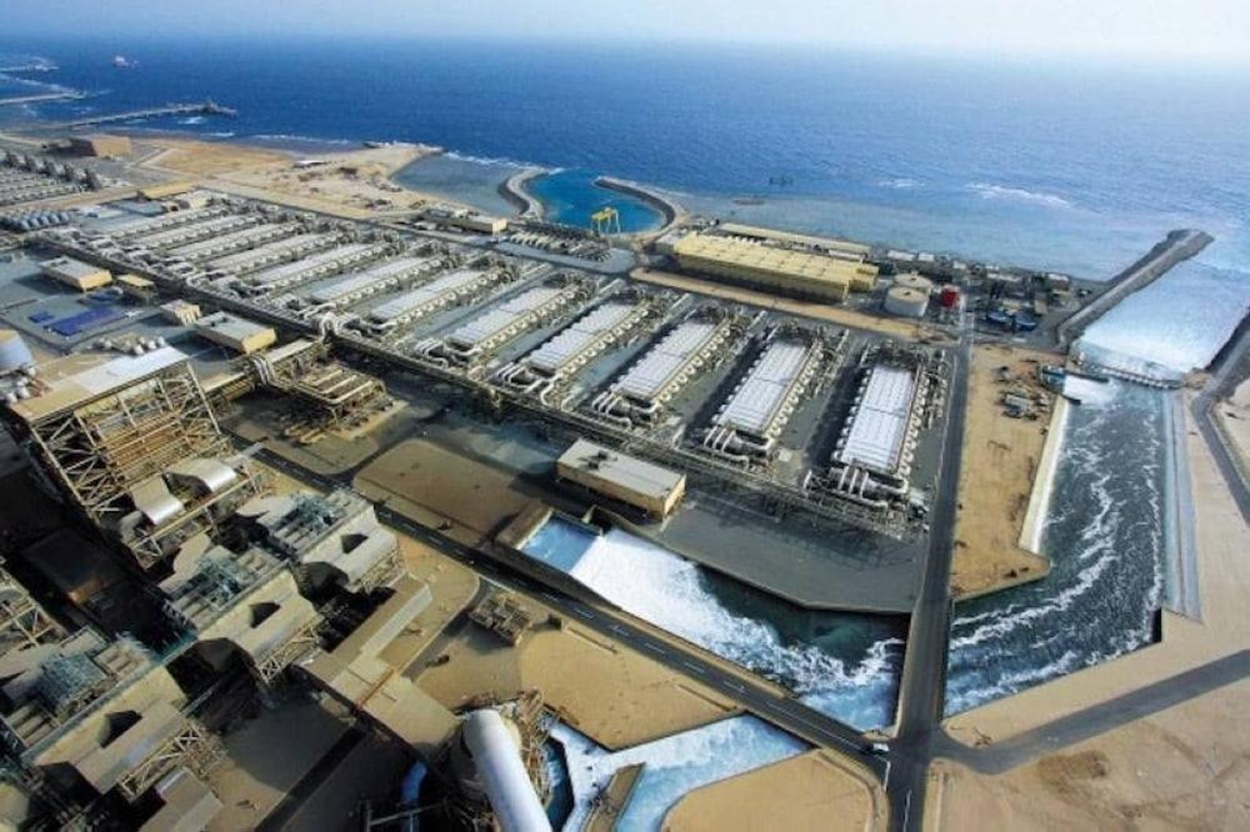
The Age of Organized Shortages
The Age of Organized Shortages
When scarcity becomes an instrument of power
AnalysisRecent publications
The Economy Under Debt: States, Companies and Households in the Same System
Debt is usually described as an anomaly. Government debt becomes a concern when it crosses certain thresholds, corporate debt when it threatens solvency, household debt when repayments absorb an excessive share of income. Each problem appears to belong to its own universe. Yet ac

The Middle Class, from Morocco to Advanced Economies
For decades, the middle class represented more than an income category. It embodied a promise: that stable employment would gradually lead to a better standard of living, home ownership, savings, decent education for one's children and a reasonably secure retirement. That promise

The Economics of Stability: What Social Peace Costs Nations
A country’s stability is rarely measured by the amount of social transfers recorded in its budget. It is more readily observed in the price of bread, the reliability of pension payments, access to healthcare, the possibility of finding employment, and the widely shared conviction
Debt: How Far Can We Go?
United States, China, Europe, Japan and emerging economies: behind the accumulation of trillions in debt lies a more difficult question than its sheer size. At what point has a state really borrowed too much? Global debt ceased to be an anomaly a long time ago. It has become an o
Inflation: A World Moving at Different Speeds
Inflation has a peculiar characteristic: it is both one of the most closely measured economic phenomena in the world and one of those whose perception most stubbornly escapes statistics. National statistical institutes calculate indices. Central banks monitor monthly variations.
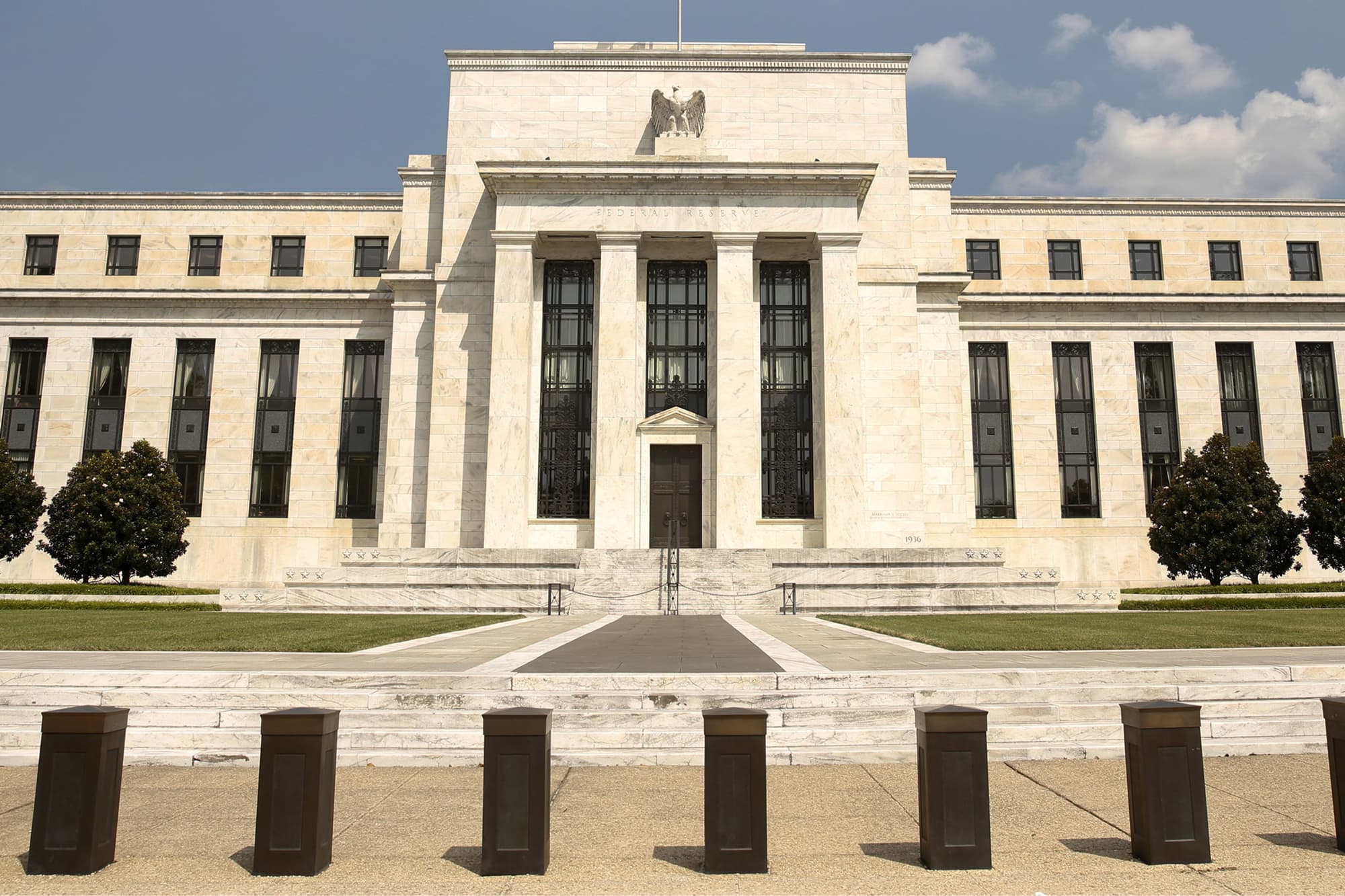
Central Banks: The Power Behind Money
They do not vote on budgets, generally do not levy taxes, and do not govern countries. Yet a handful of institutions wield enormous influence over the functioning of modern economies. By changing interest rates, creating or withdrawing liquidity, purchasing trillions in assets, o
The BIS: the central bank of central banks?
In Basel, an institution largely unknown to the general public regularly brings together those responsible for the world’s major monetary systems. Yet the Bank for International Settlements sets no policy rate, does not lend to governments in crisis and does not command any centr
The World Bank: Financing Development, Shaping States
The IMF intervenes when a state risks running out of financial oxygen. The World Bank acts on what that state may become ten, twenty or thirty years from now. Behind loans to build roads, modernize power grids, finance schools or reform public administrations stands one of the most influential institutions in the international economic order.
The International Monetary Fund: Guardian of the Global System’s Crises
When a state can no longer finance itself normally, its foreign-exchange reserves are being depleted and market confidence is collapsing, one institution often moves to the center of the equation: the International Monetary Fund.
WTO: The Weakened Arbiter of Global Trade
It was meant to transform global trade into a system governed by rules. Three decades later, the World Trade Organization remains at the heart of international commerce, but the major powers are once again learning to trade according to the imperatives of security, sovereignty and power.
Liberalism: The History of an Idea That Became a System
Liberalism is now everywhere and nowhere. It structures much of the contemporary political order, underpins the functioning of market economies, and permeates concepts that have become almost universal: individual freedom, property, equality before the law, freedom of expression,
Credit Rating Agencies: The Hidden Arbiters of Global Financial Confidence
Every year, a handful of press releases issued by three private companies are enough to move billions of dollars across global financial markets. A sovereign credit downgrade can immediately increase a country's borrowing costs, influence institutional investment decisions, and,